Citizen legal action against Mount Hope Development Ltd (re: damage to urban wetland) taken over by the Crown 7Oct2026

View: Court case alleging developer impacted Dartmouth wetland picked up by Crown
by Haley Ryan for CBC News, Posted: Oct 06, 2026. An extract:

“A Dartmouth resident who has long argued a developer impacted a local wetland says he is relieved the case has now been taken over by the Crown.

More than a year ago, resident Bill Zebedee began a private prosecution against Mount Hope Developments Limited Partnership, alleging the developer had impacted Dartmouth’s Eisner Cove wetland.

Mount Hope Developments Limited is related to Clayton Developments, which built the new Mount Hope Village neighbourhood off Highway 111.

On Tuesday, a lawyer with Nova Scotia’s Public Prosecution Service said in Dartmouth provincial court the Crown had taken over the case.”

“The province is intervening”, says Bill Zebedee in a WaterFront Media post “but, in a good way…the Prosecutor takes over the case and will try the property owner.  No longer my case, but happy it will be tried publicly, so truth comes out”. Continue reading →

Posted in Conservation, Halifax Green Network, Water Quality, watershed | Leave a comment

“Sandy Lake Beach closed to swimming due to possible blue-green algae bloom ” – HRM Aug26, 2026

Screenshot from HRM Sandy Lake Beach Park web page

From the HRM News Release, Aug 26, 2026:

The Halifax Regional Municipality is advising residents that due to the presence of a toxin-producing blue-green algae bloom, Sandy Lake Beach in Halifax is closed for recreational use. Continue reading →

Posted in Sandy Lake, Water Quality | Leave a comment

July 18, 2026: Guided Hike at Sandy Lake

‘Received this info today:

Click on image for larger version

“Save Our Old Forests and the The Dirt Gang both recently joined the Sandy Lake – Sackville River Regional Park Coalition. We’re excited to co-host a guided hike at Sandy Lake Regional Park to help our members get to know this area! Coalition member Karen McKendry will lead the hike through the park, exploring the trails and waters of this incredibly biodiverse area. On the hike you will learn more about the threats to the area and who to engage with to have your say about the fate of Sandy Lake.

“Register by emailing Karen McKendry at karenmckkendry@ecologyaction.ca

“Karen will provide final details and directions to registered participants.”

Posted in Community, Conservation, Events | Leave a comment

On the use of electrical conductivity measurements in citizen science monitoring of “pollution” of surface waters in the Halifax NS region 24Jun2026

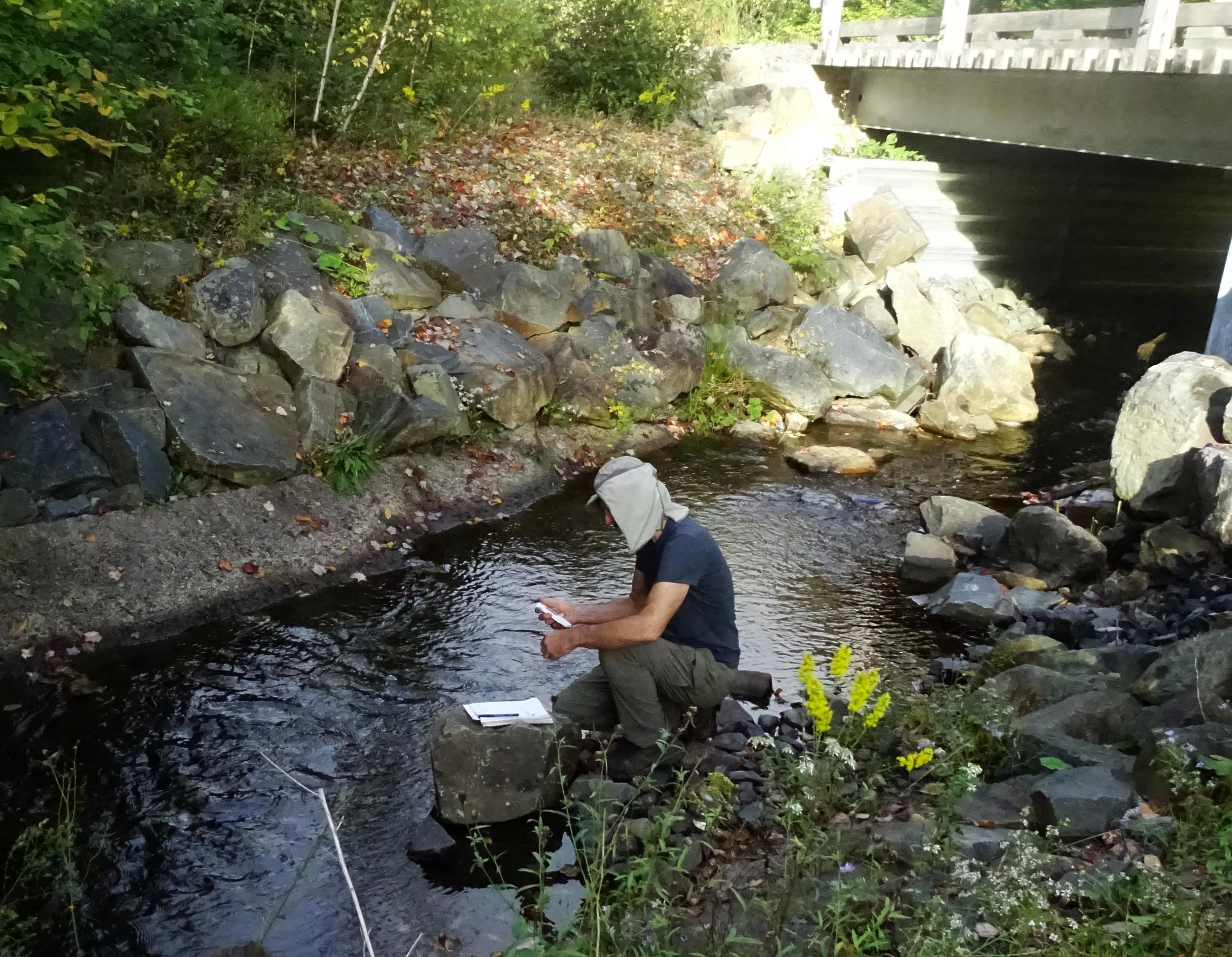
Volunteer Bruce S. measuring stream EC and Temperature on Oct 2, 2020, upper Johnson’s Brook (Sandy Lake watershed)
Click on images for larger versions

At a get-together of volunteers in the Halifax LakeWatchers program earlier this year, a participant asked what observations could be made by volunteers outside of the prescribed limnological sampling.

I suggested that a lot can be learned from measurements of electrical conductivity & temperature using inexpensive “pocket meters”; I commented that I always carry one in the field and routinely measure surface water EC (electrical conductivity) and temperature any time I cross a stream or walk by a lake. In the ensuing discussion, there was general agreement that such measurements can indeed by very informative. Continue reading →

Posted in Community, Sackvile River Watershed, Sandy Lake, Water Quality, watershed | Leave a comment

On our Wabanaki Forest & National Indigenous Peoples Day 21Jun2026

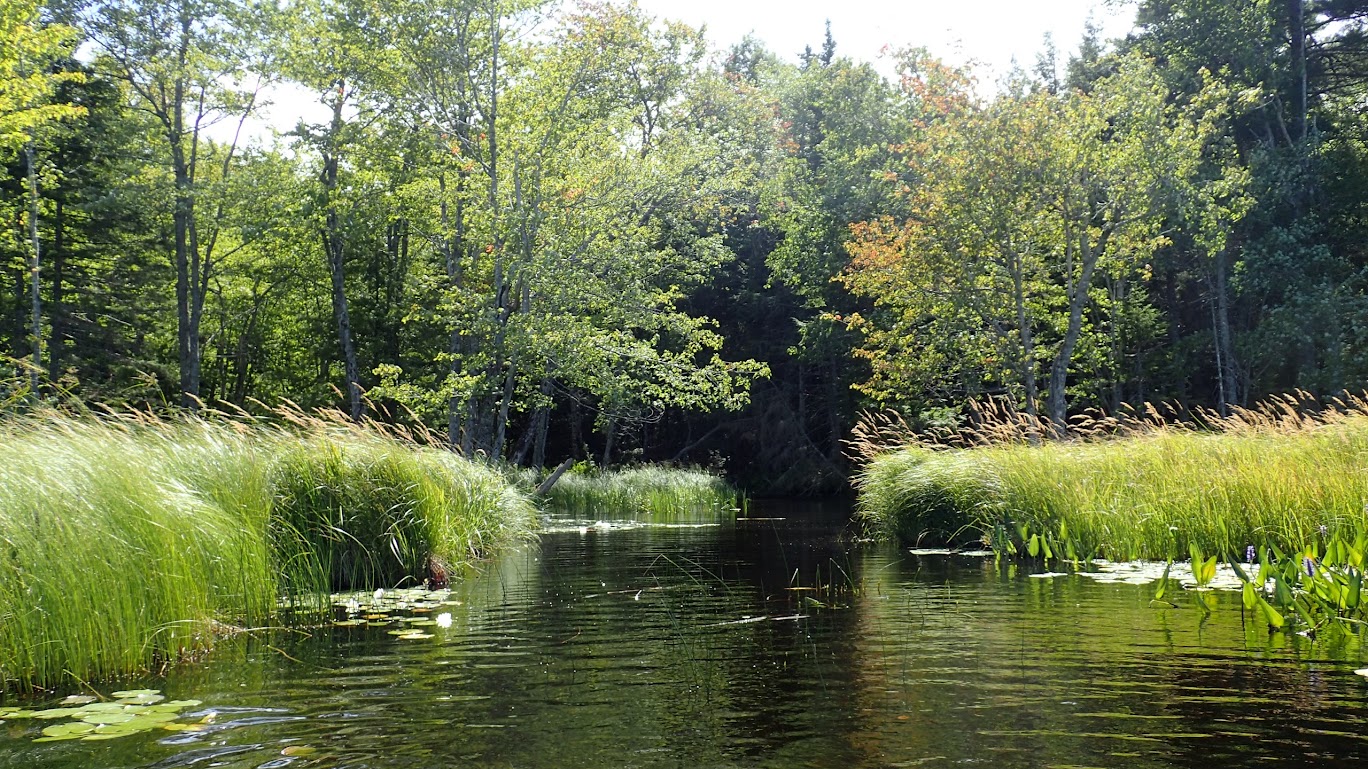
Wbanaki Forest by Peverill’s Brook where it opens up onto Marsh Lake

On June 21, 2026, we in the northern hemisphere celebrate the summer solstice, as our ancestors have done since prehistoric times.

Since June 21, 2017, the day is also known as Canada’s National Indigenous Peoples Day:

In cooperation with Indigenous organizations, the Government of Canada chose June 21, the summer solstice, for National Aboriginal Day, now known as National Indigenous Peoples Day. For generations, many Indigenous peoples and communities have celebrated their culture and heritage on or near this day due to the significance of the summer solstice as the longest day of the year.

Just over the last 5 years, the day has gained a deeper meaning for Canadians of settler lineage  as we began to seriously reflect on a dark truth about the country most of us have viewed as so embracing of peoples of all races and cultures: our collective role historically and ongoing in the debasement, indeed attempted genocide, of our indigenous peoples. Continue reading →

Posted in Uncategorized | Comments Off on On our Wabanaki Forest & National Indigenous Peoples Day 21Jun2026

Developer to Premier: Sandy Lake limnological observations are “pseudo-science” 23May2026

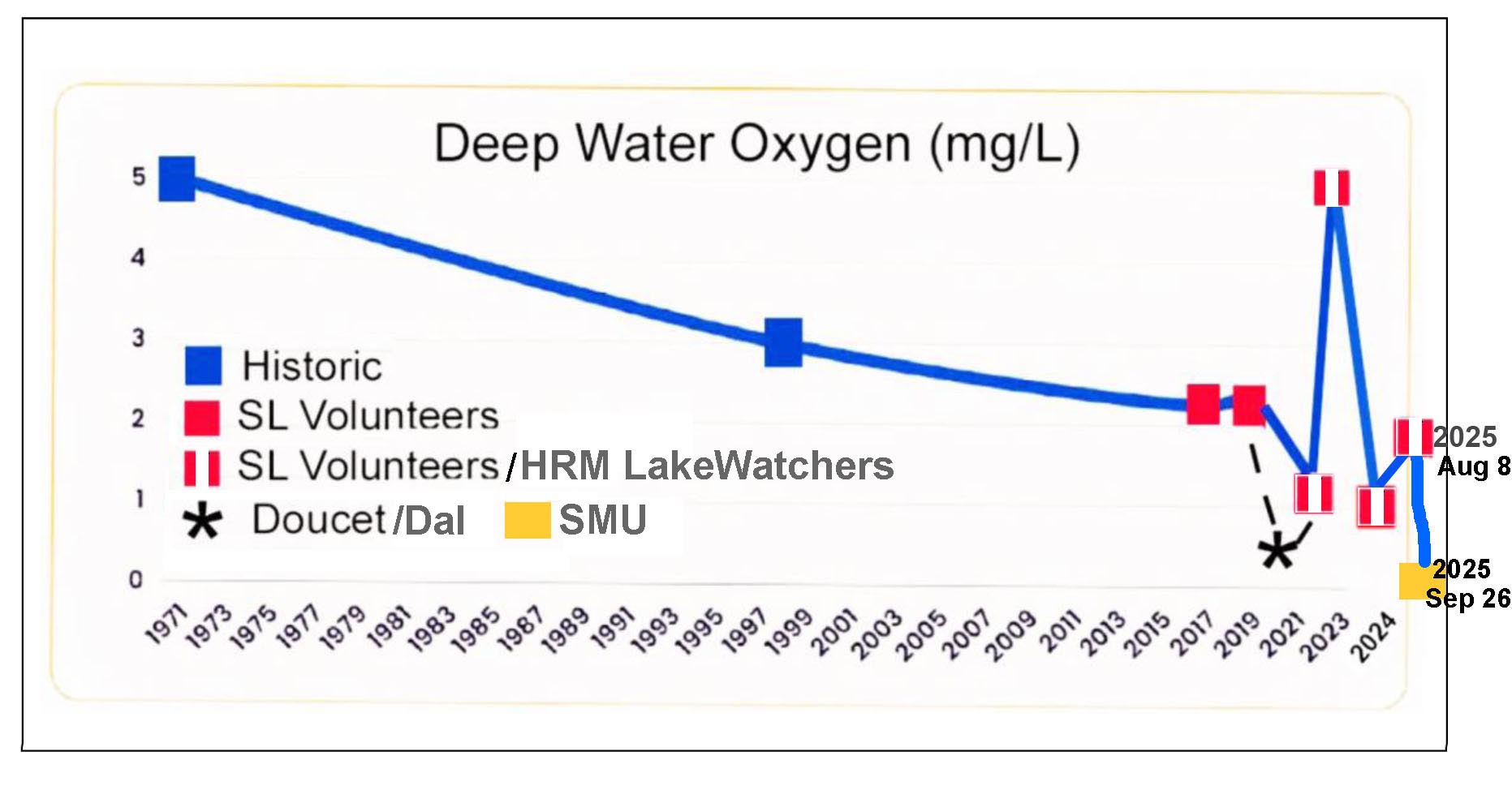
Deep water oxygen levels in Sandy Lake towards the end of the summer stratification period.  (Click on image for larger version.) These data, and other Water Quality data we collected or compiled were “ignored” in the  NS Gov/HRM Background Studies for Sandy Lake released Jan 27, 2025. View Post of July 25, 2025 for details. 

In a message to the Premier in the fall of 2024, revealed in a FOIPOP, a senior executive with Clayton Developments Ltd contended that the Sandy Lake limnological observations are “pseudo-science” conducted “on behalf of the residents currently residing on Sandy Lake”.

In addition to the observations that were conducted entirely under my supervision in  2017 and 2019,  the pseudo-science  includes, apparently, observations conducted under the direction of and according to the protocols of the Halifax’s LakeWatchers program (2022 onwards) and observations obtained entirely independently by Dalhousie University researchers in 2021.

Coincidentally or not, the NS Gov/HRM sponsored Sandy Lake Watershed Study and Stormwater Management Plan, released Jan 27, 2025, cites none of these limnological observations while  the consultants’ limnological profiles, obtained in 2023 ,  extended to only 10 m depth, not sufficient to characterize this dimictic lake  of max. depth 21 m.

Read more

Posted in Community, Sackvile River Watershed, Sandy Lake, Water Quality, watershed | Leave a comment

Apr 23 on Sandy Lake: Spring LakeWatcher sampling, pair of loons sighted 23Apr2026

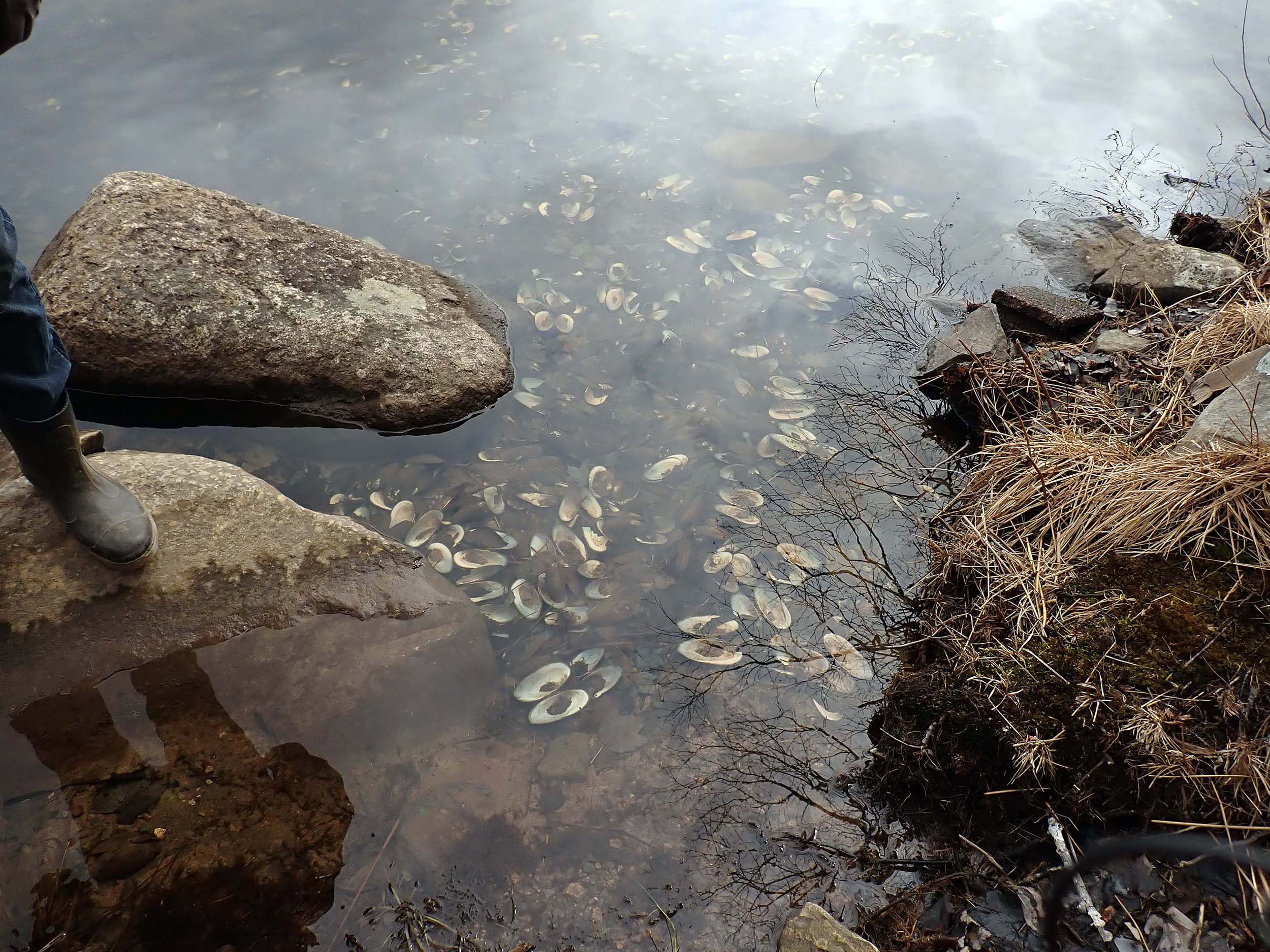
A mass of mussel shells by the shore
Click on images for larger versions

I wasn’t looking forward to conducting the spring limnological observations today on Sandy Lake; rain, cool temps and winds were forecast.

However, it turned out to be a near ideal day. There was no wind – that really helps when we’re trying to stay in one place; and no rain. Even the sun came out for a short period.

Where we – the “Sandy Lake Volunteers” – set our boat into the west side of  Sandy Lake, there was a mass of mussel shells in the shallows; they’re likely the work of otters which are often seen on the lake. Continue reading →

Posted in Conservation, natural history, Sandy Lake, Water Quality | Leave a comment

Concerns about flooding at the the Eisner Cove Wetland development project are ongoing 26Mar2026

Screenshot of the CH article heading. Reads the caption: “Lil MacPherson is seen in front of a drainage ditch at the Eisner Cove Wetland, which some have said is experiencing drainage and flooding issues since being developed. She originally campaigned against its development. There are now two pumps seen at the location. PHOTO BY TIM KROCHAK /THE CHRONICLE HERALD”

View One battle after another: Activists raise concerns about flooding at Dartmouth development project
By Josh Healey in the Chronicle Herald Mar 26, 2026.

Some extracts, bolding inserted:

“Lil MacPherson can’t help but feel disappointed whenever she sees the Eisner Cove Wetland development project. “I drive by all the time, look in and just shake my head,” the local business owner and environmental activist told The Chronicle Herald. “It’s just a shame, a real shame.” Several groups originally opposed the development of the 12-hectare wetland situated near the Southdale area of Dartmouth. They fought to preserve the area, citing the positive impacts of the wetland on the wildlife and waterways… Continue reading →

Posted in Community, Halifax Green Network, Sandy Lake, watershed | Leave a comment

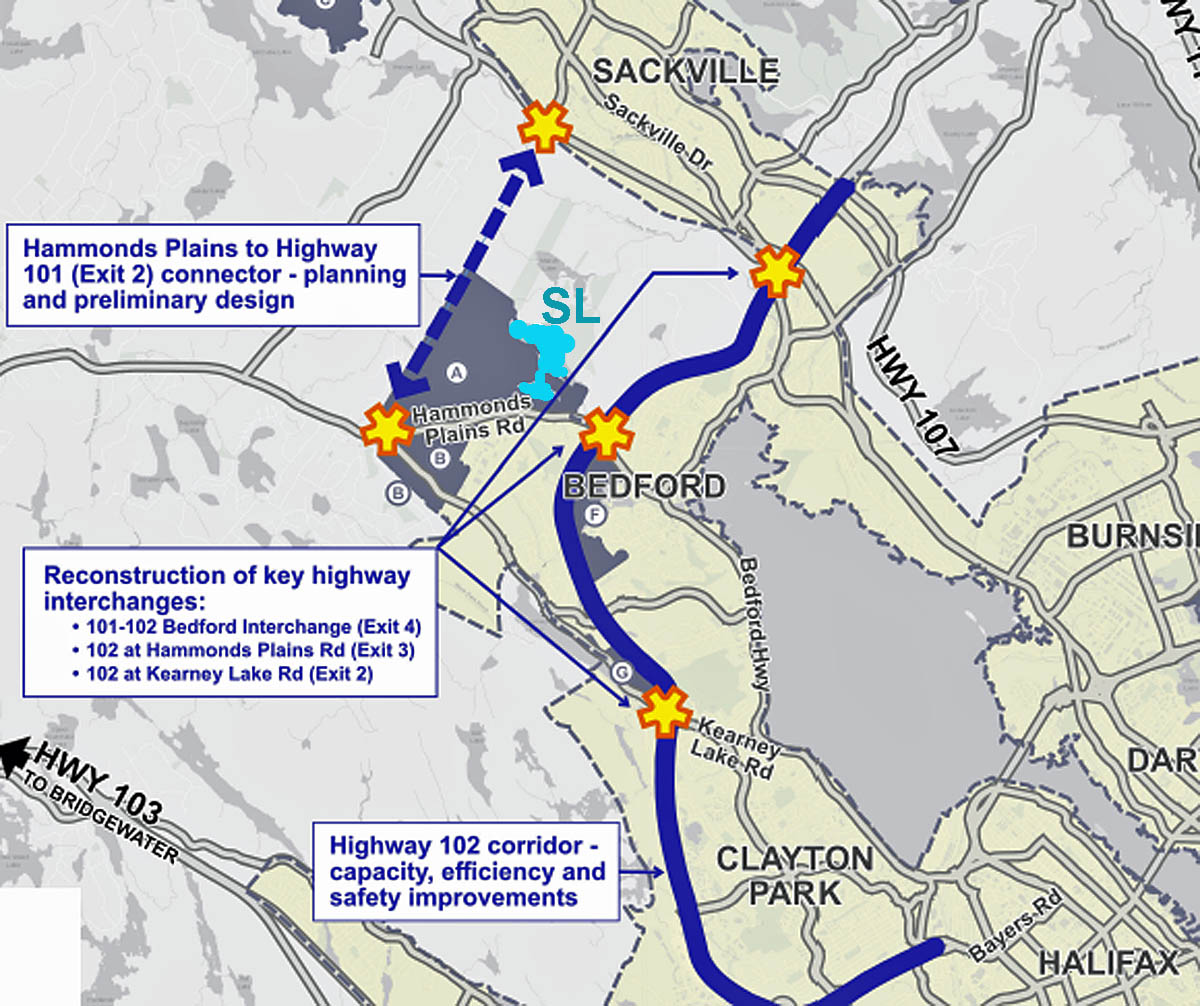
“Hammonds Plains to Highway 101 Connector Project Begins” 19Mar2026

Extract from figure in Premier’s Office/Public Works News Release Oct24,2024 Inserted light blue coloration of Sandy Lake (SL)

So reads the heading for a NS Public Works News Release of Mar 16, 2026.

Among other impacts it would (will), with the Sandy Lake SPA,  take out what currently remains of a significant wildlife corridor between the Chebucto Peninsula and the greater NS mainland.


From the News Release: Continue reading →

Posted in Community, Conservation, Halifax Green Network, Sackvile River Watershed, Sandy Lake, watershed | Leave a comment

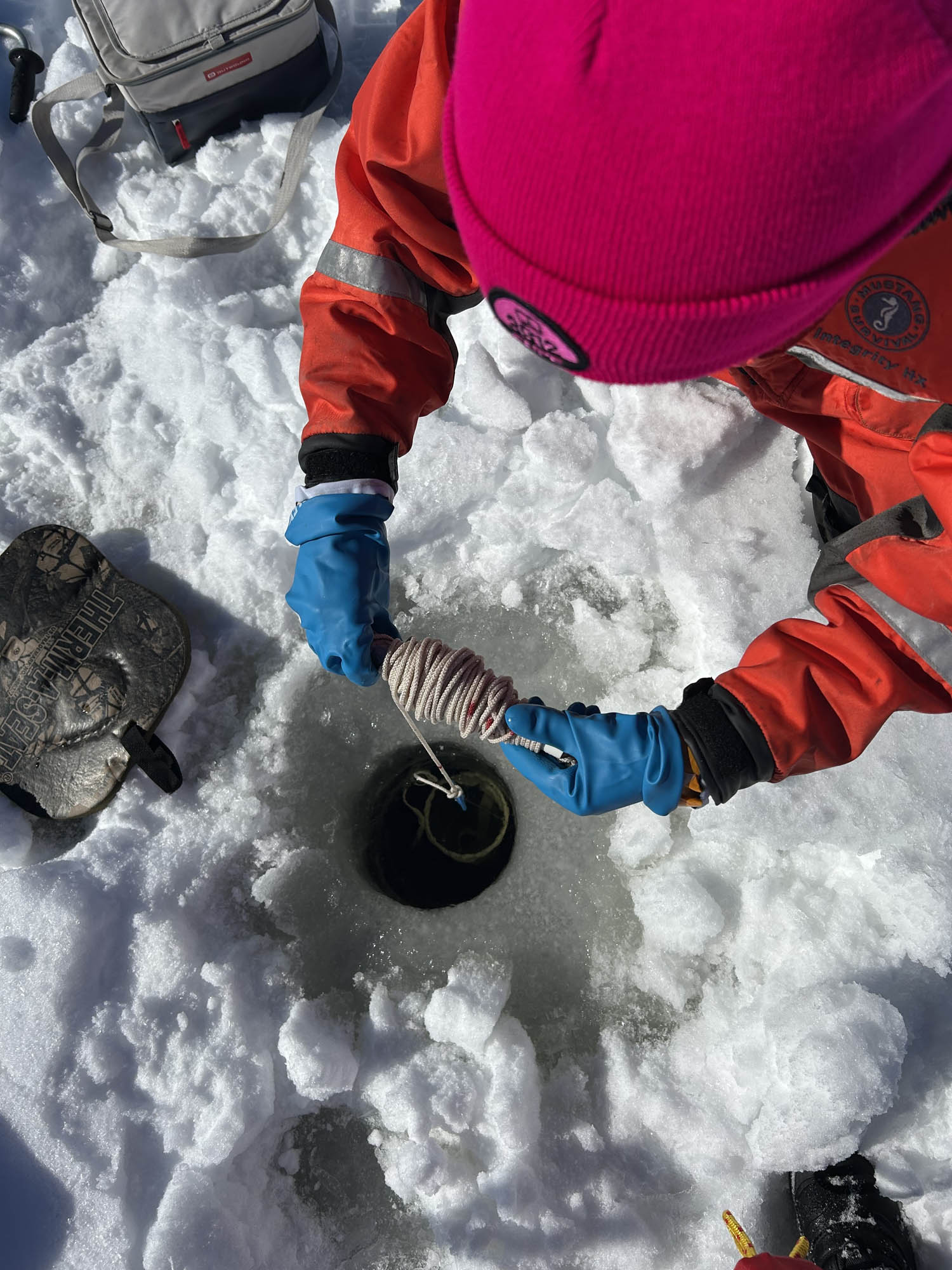
SMU Group collects more info. on Sandy Lake, now through the ice! 3Mar2026

Sampling zooplankton

‘Just received from Jessica Yonker at SMU in an e-mail sent to the Sandy Lake Volunteers who facilitated their obtaining observations on Feb 20, 2026.

The SMU observations are a contribution to the “Thin Ice Network” project, run out of U of Missouri.

The Sandy Lake component developed following earlier observations conducted on Sandy Lake by the SMU group in collaboration with the Sandy Lake Volunteers, some of it documented in a recent scientific paper.

Writes Jessica: Continue reading →

Posted in climate Warming, Sackvile River Watershed, Sandy Lake, Water Quality, watershed | Leave a comment