
| NAVIGATION This page is a sub-page Historical Imagery, that in turn a subpage of ObsBath, a top-level page on the website Barbados Fringing Reefs and Seagrass Beds (www.versicolor.ca/barbados). Go to ObsBath for a list of other subpages in this section of the website. 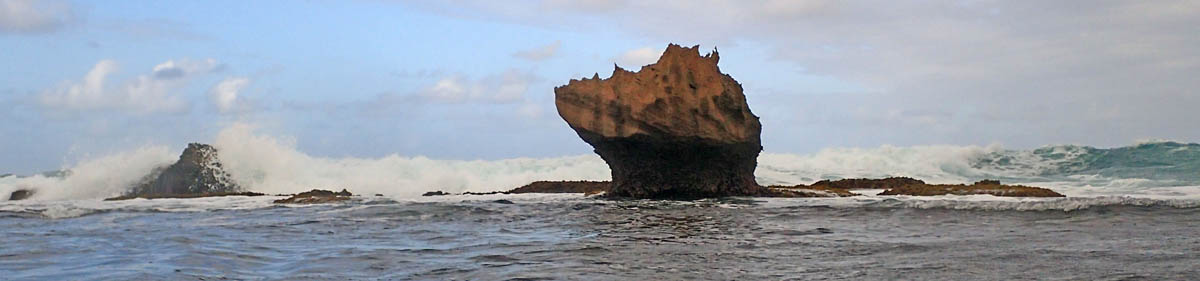 “Huge boulders of Pleistocene limestone, the work of long dead corals, take a battering in the breaker zone”. |
Subpages of Historical Imagery – Bath 1968-70 – Bath 1994 – Bath 2005 – Bath 2011-i – Bath 2011-ii – Bath 2015-i (This Page) – Bath 2015-ii – Bath 2015-iii – Bath 2017 – Bath 2024/5 |
DRAFTING…
Compared to 2011 and earlier visits to Bath (2005, 1994, 1968-70), in 2015, the seagrasses Thalassia testudinum and Syringodium filiforme were much more sparse and shorter, and the Avarianvilla* cover more extensive and more dense, seemingly “choking out” T. testudinum; where seagrasses occurred with sparse or no co-occurrence of Avrianvillea, there was a lot of erosion and exposure of rhizomes.
It appeared that a successional sequence driven by positive feedback between substrate stability and substrate-stabilizing seagrasses and algae, inferred in 1969, was going to completion over a large swaths of the lagoon:
Loose Substrate–>Colonization by S. filiforme-->Colonization by T. testudinum–>Exclusion of S. filiforme & new colonization by Avrainvillea spp–>”Pure” Avrainvillea spp (and other alage, corals etc) climax
The climax, “pure” Avrainvillea communities seemed to be much more resistant than the seagrass communities to strong wave disturbance; wave disturbance in the lagoon had increased from previous years, attributable to erosion of big emergent rocks in The Platform area, hardscaping of the shoreline and climate change.
*“Avrainvillea” at Bath refers to two species or species groups: A.rawsonii and A. nigricans
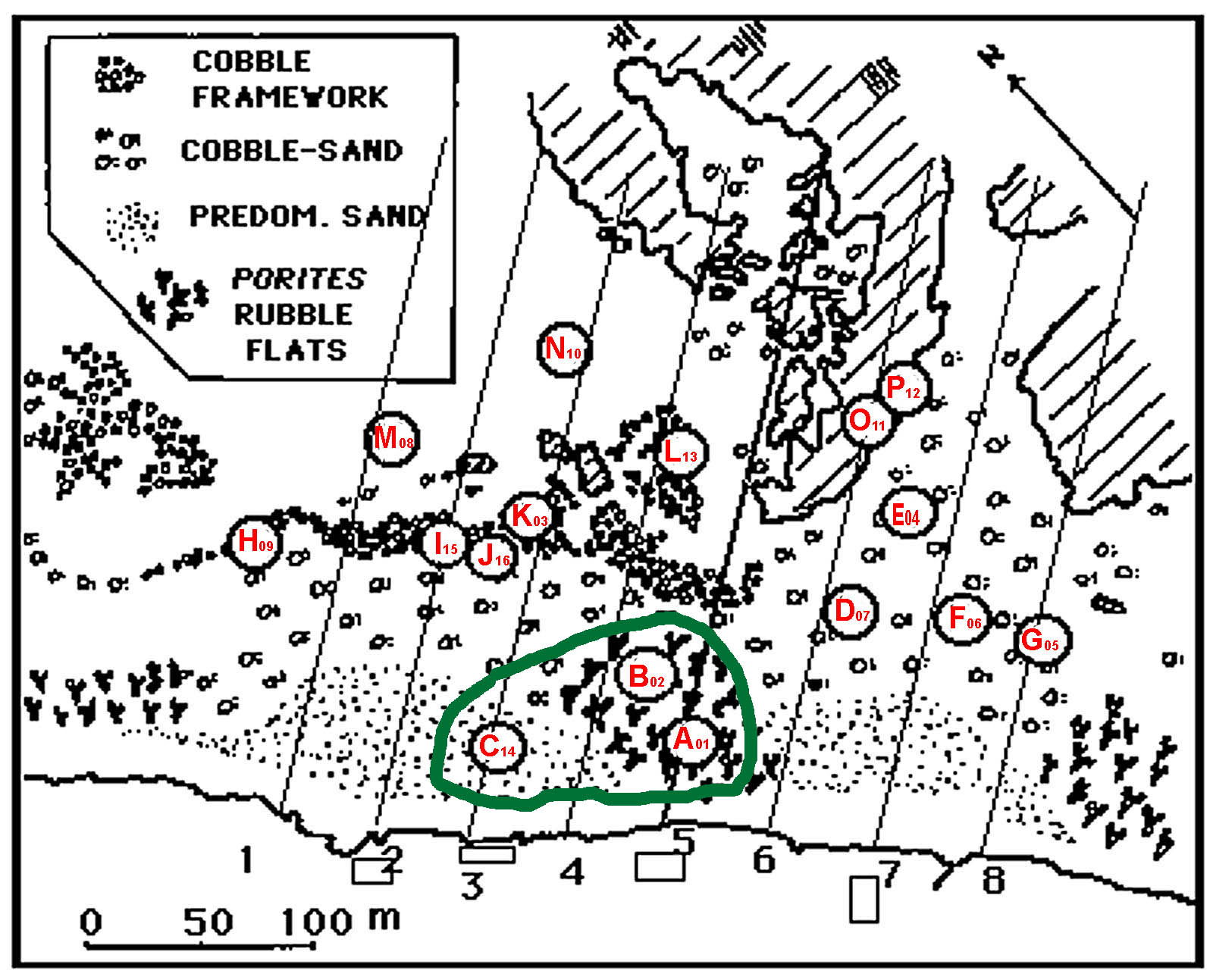
Locations of Stations A,B,C
Photos were taken Feb 20 to Feb 26, 2015.
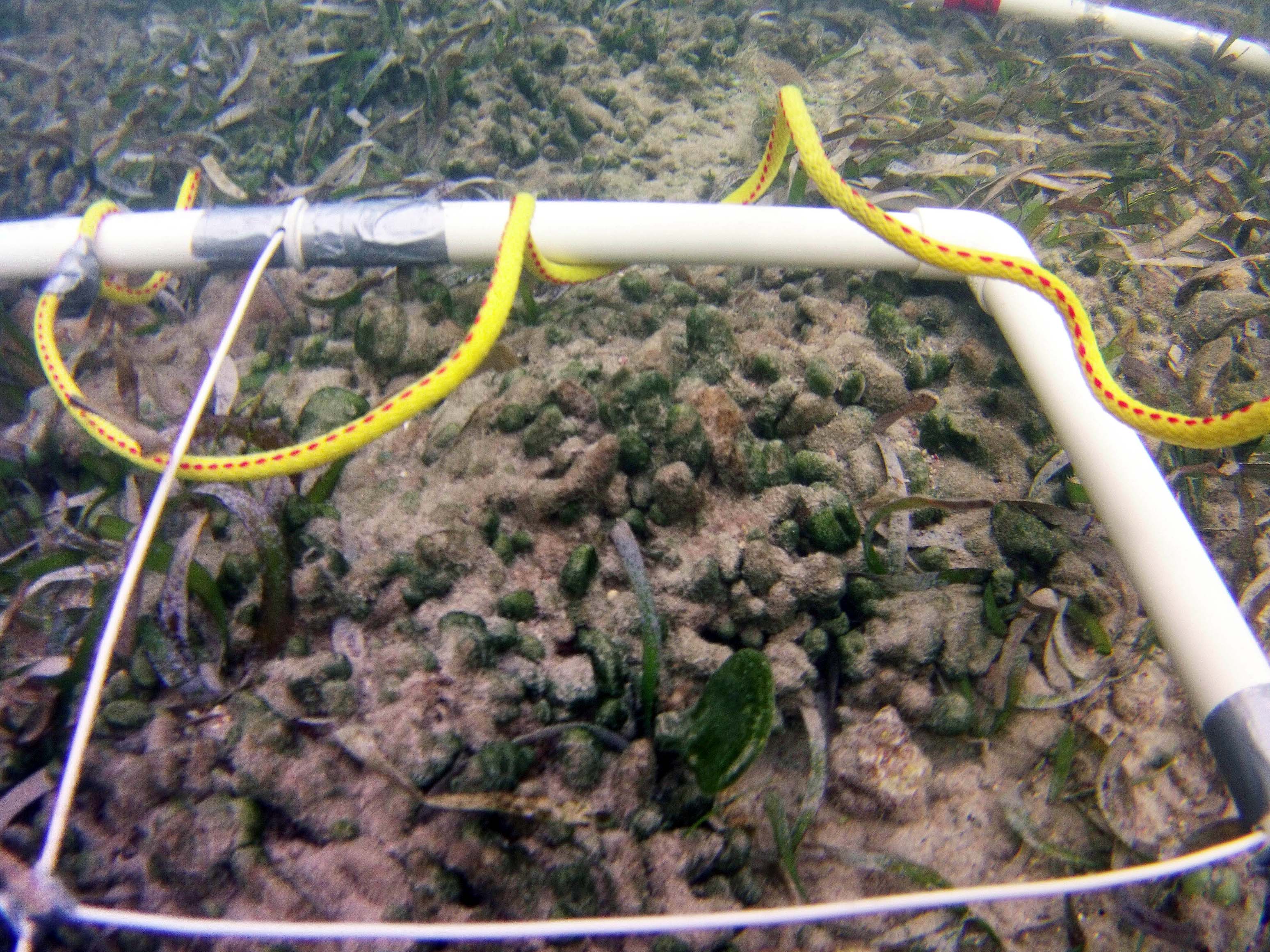 Stn A (01) |
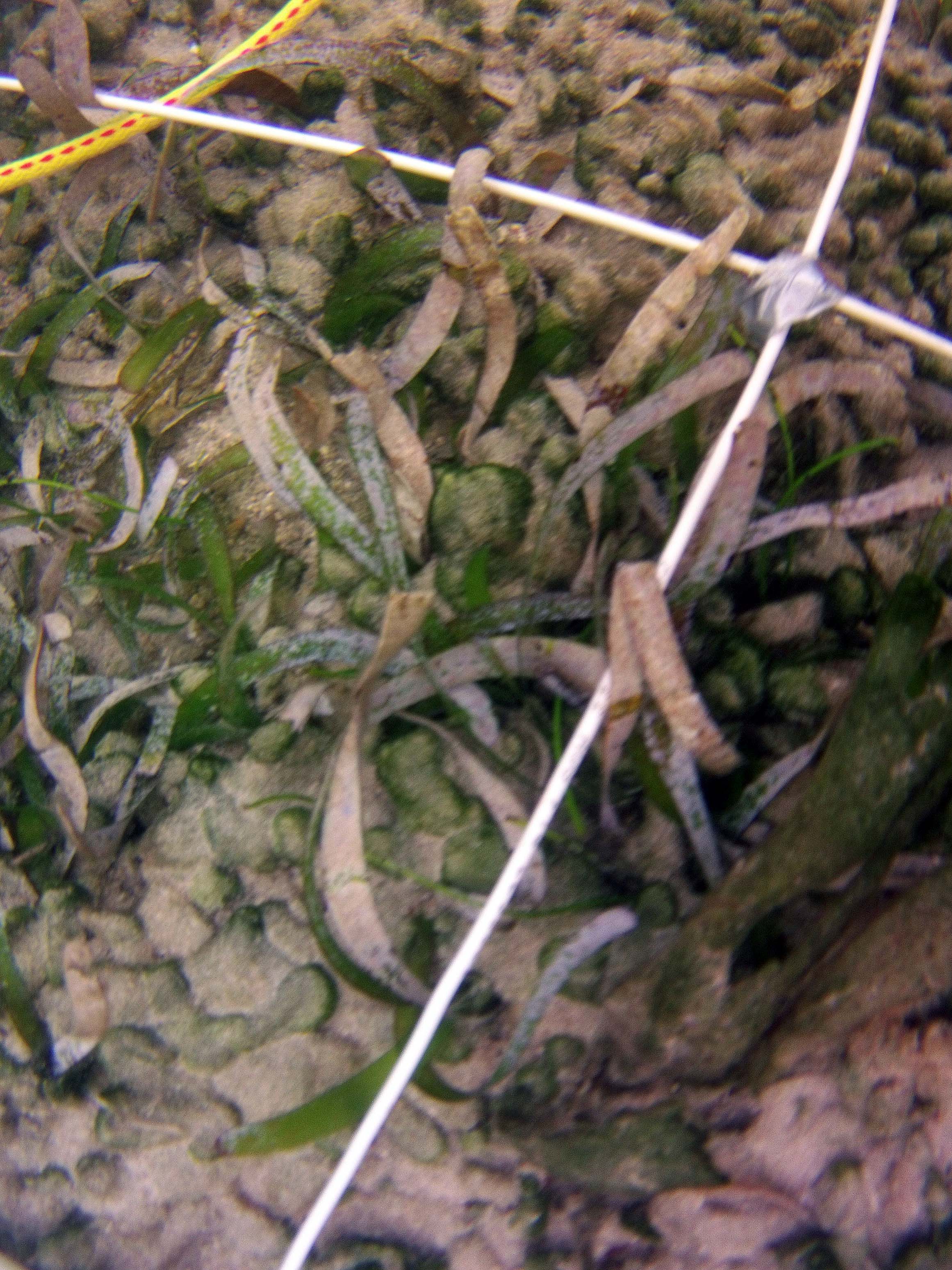 Stn A (01) |
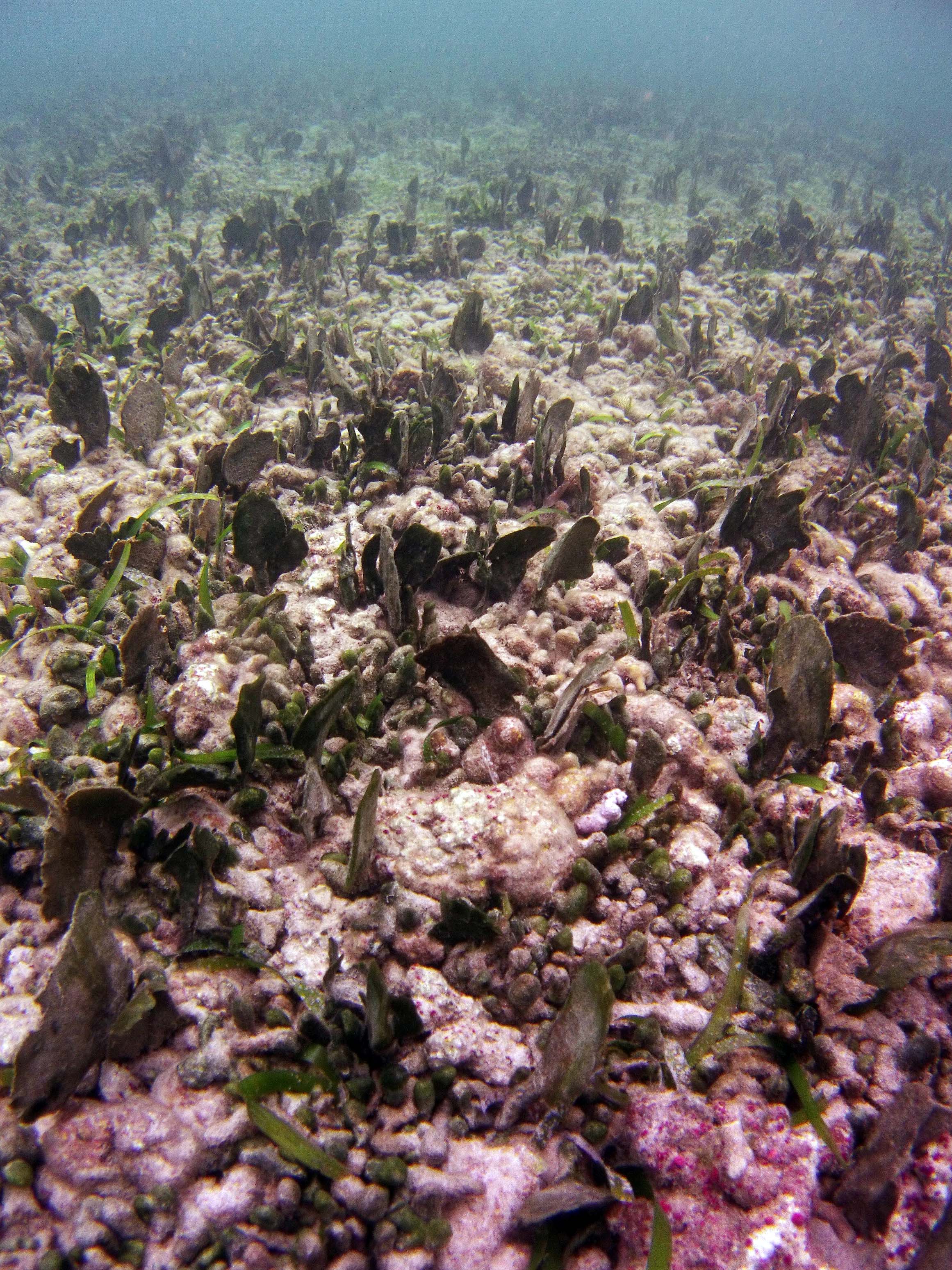 Stn B (02) |
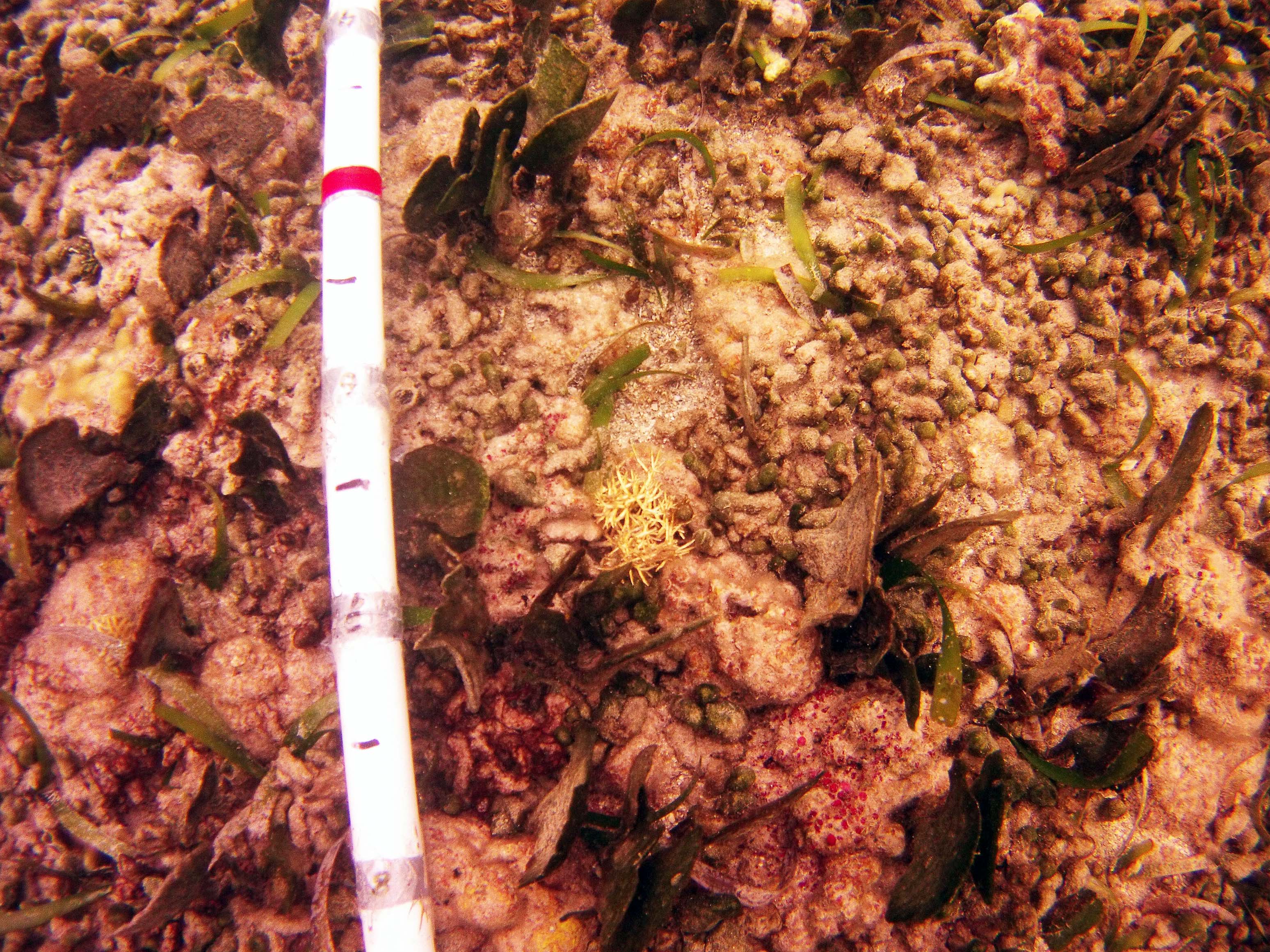 Stn B (02) |
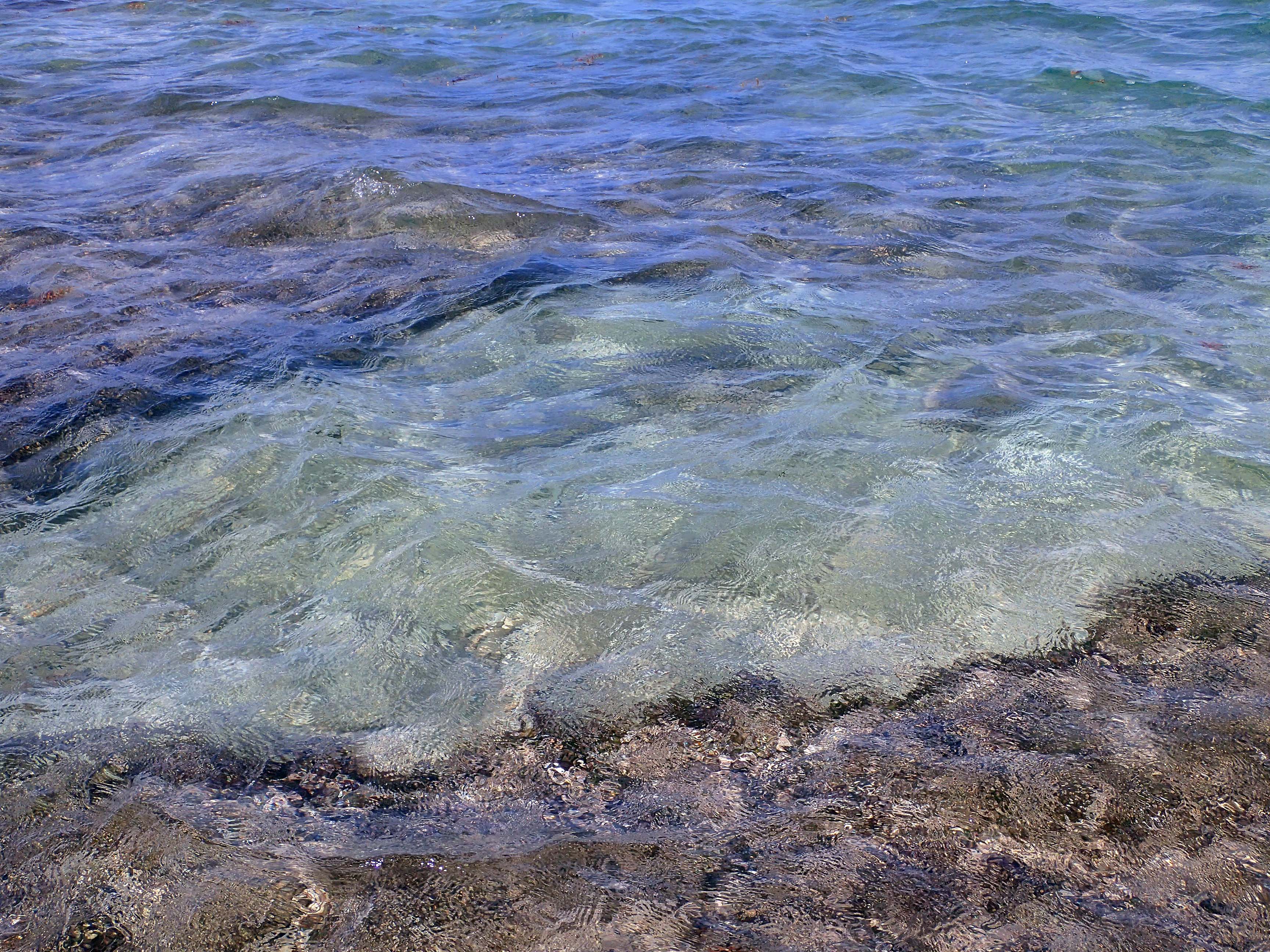 Stn C (14) |
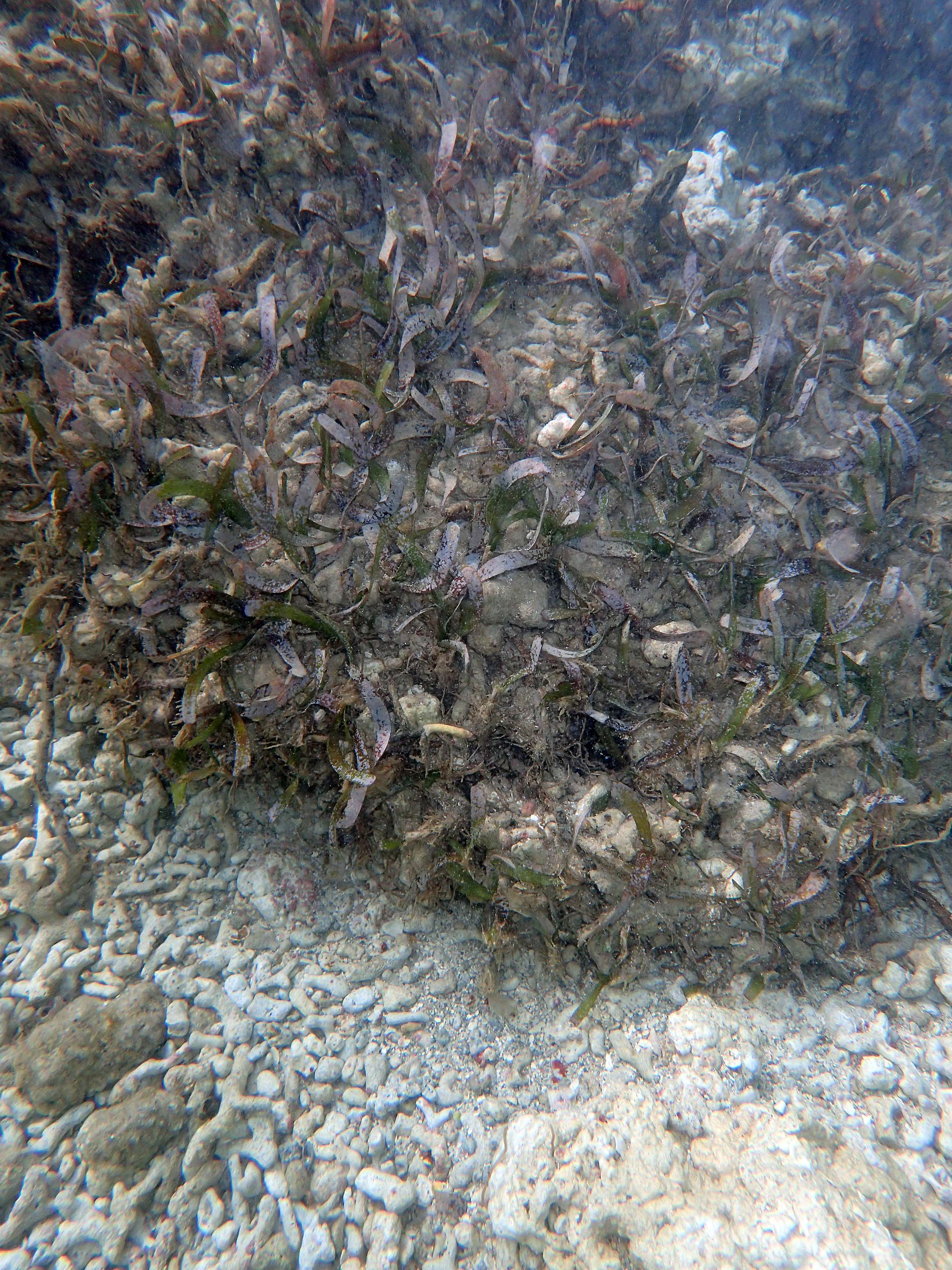 Stn C (14) |
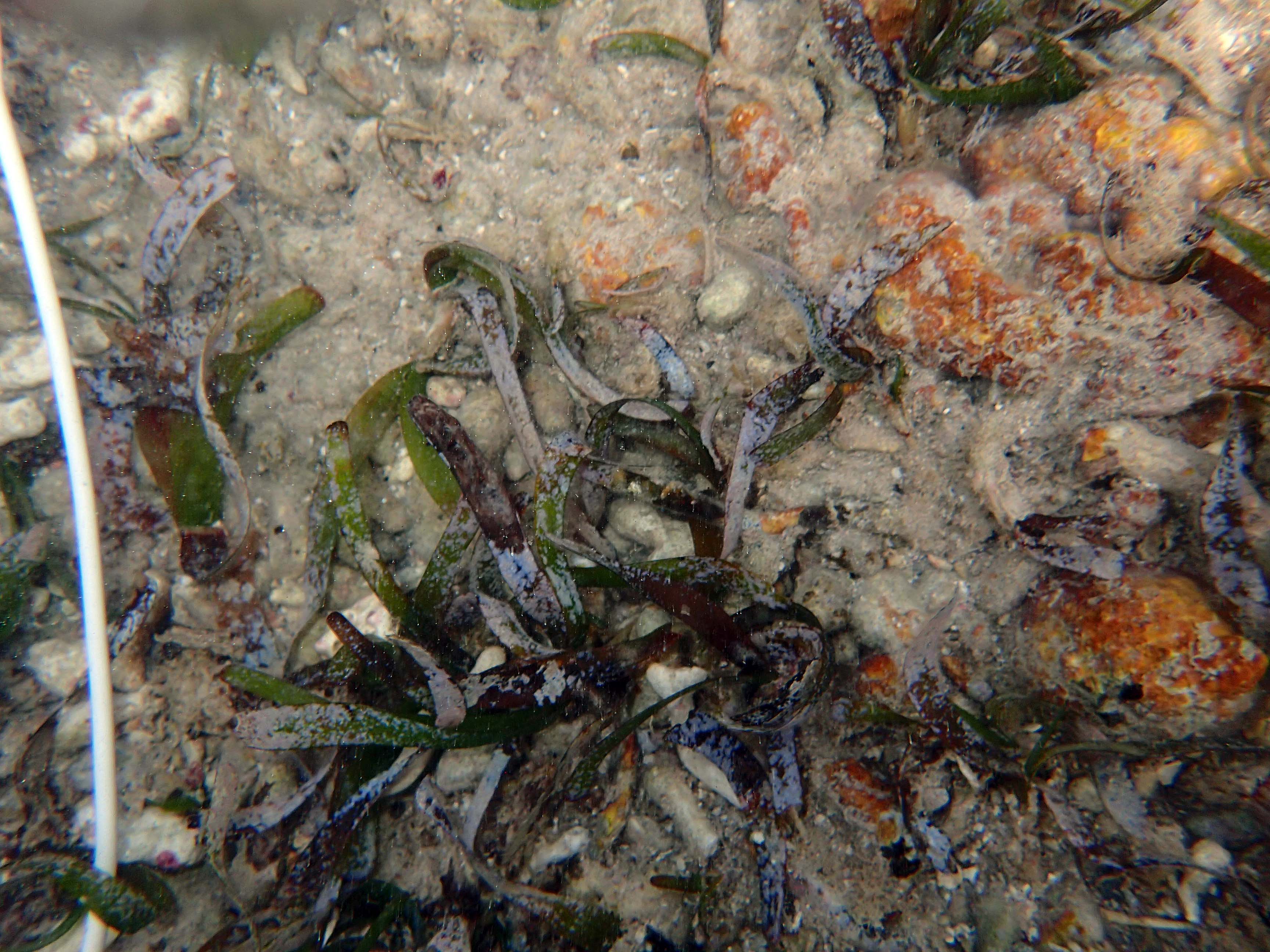 Stn C (14) |
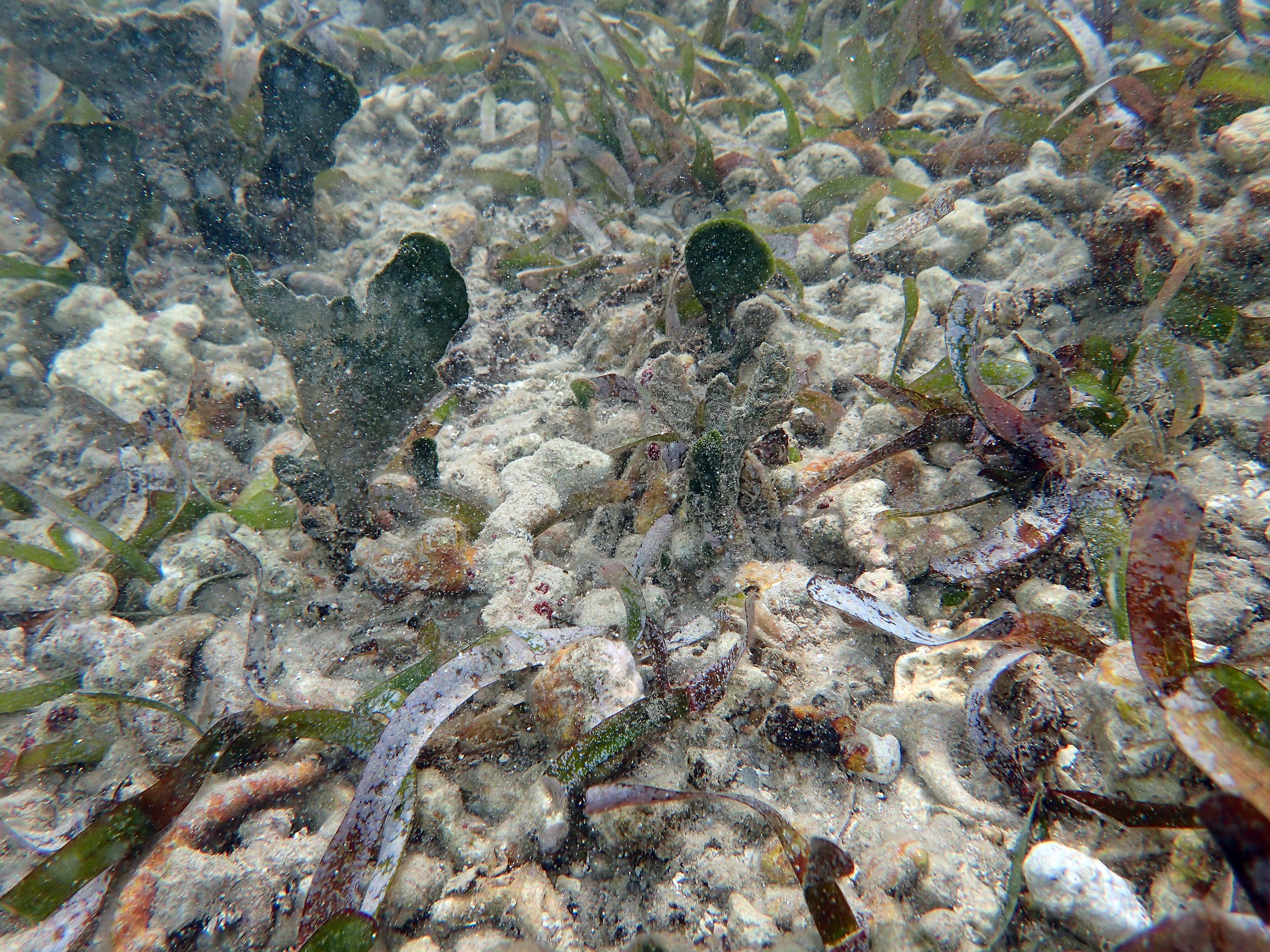 Stn C (14) |
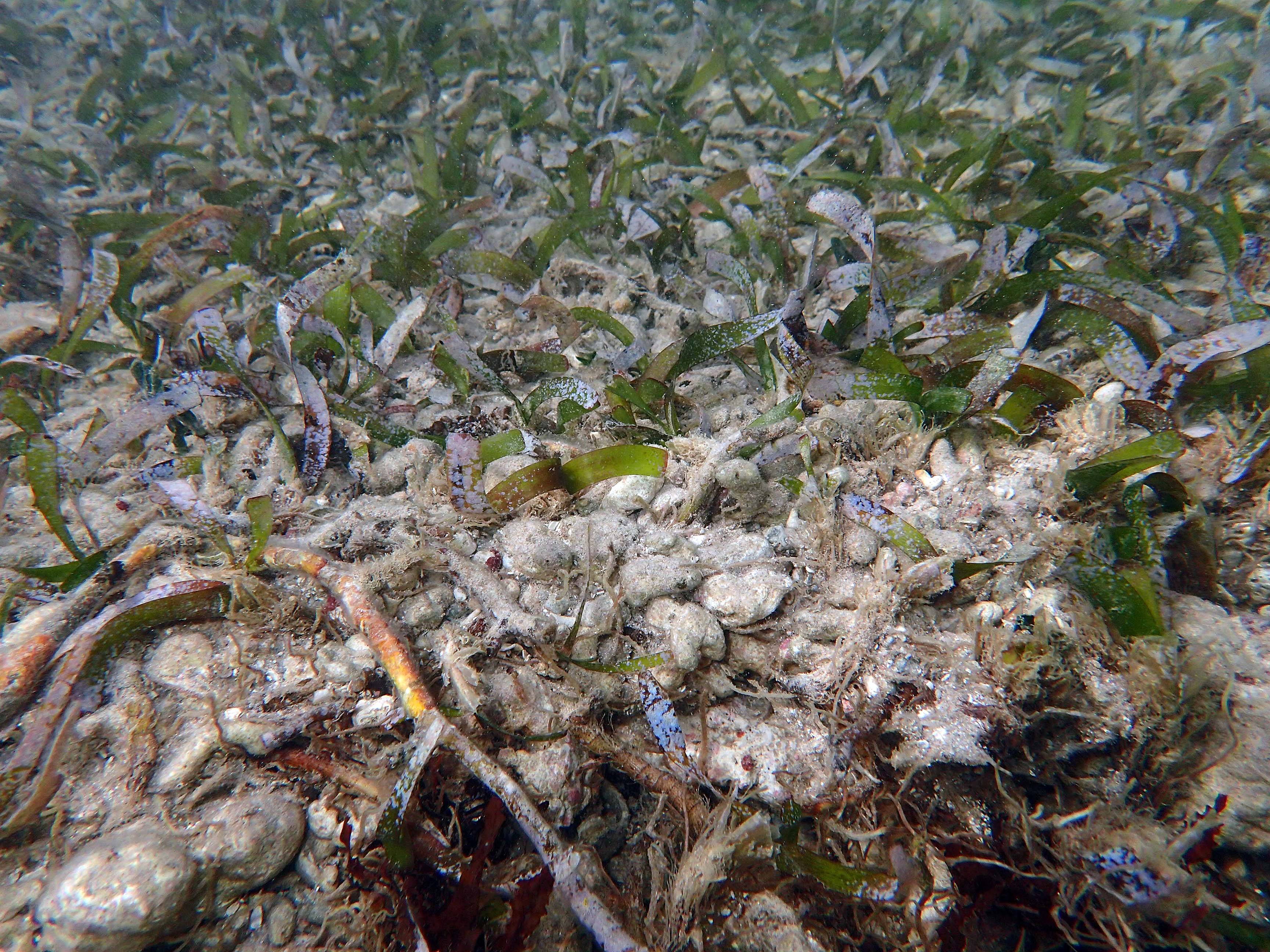
Stn C (14)
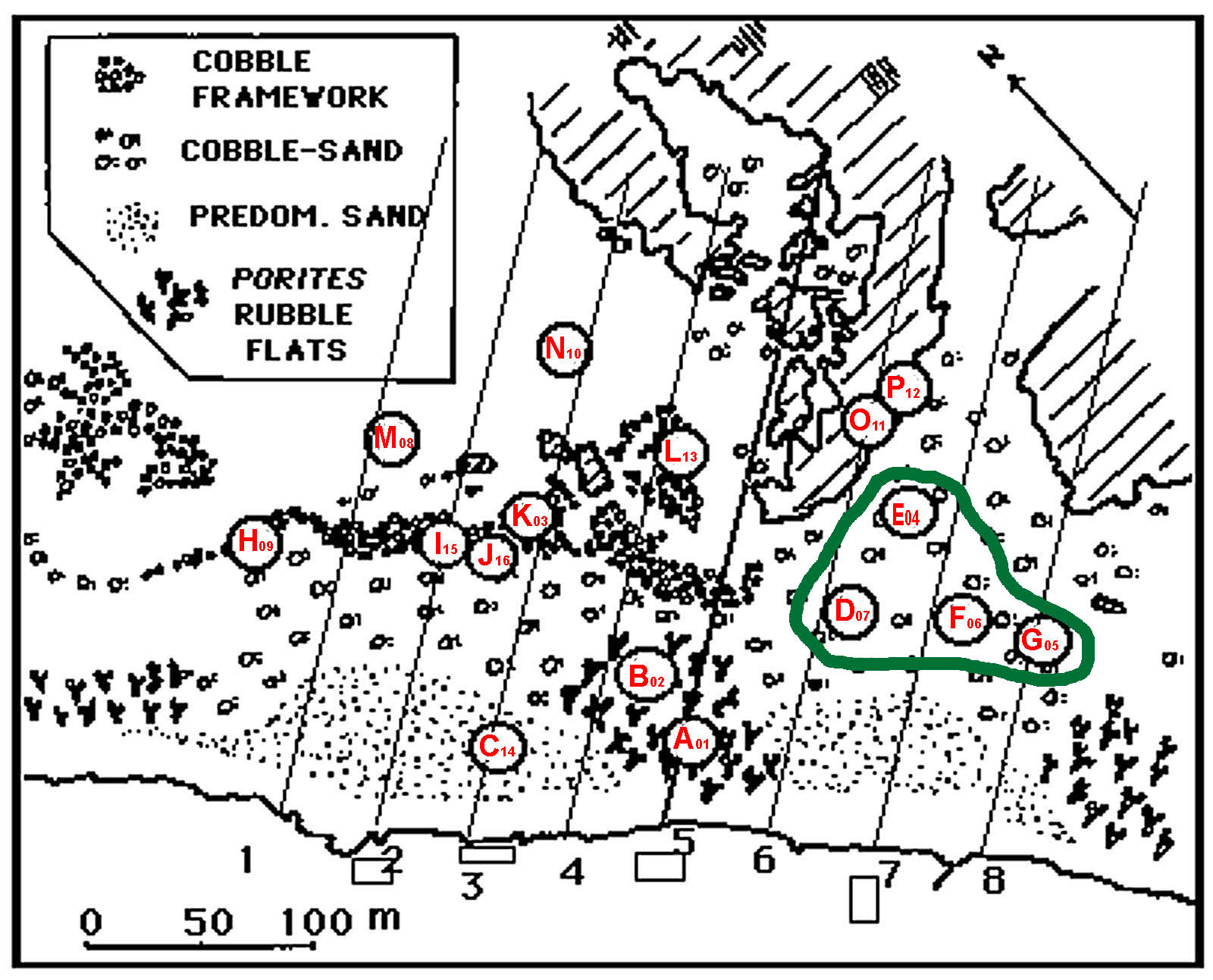
Locations of Stns D, E, F, G. No pics for Stns E & G.
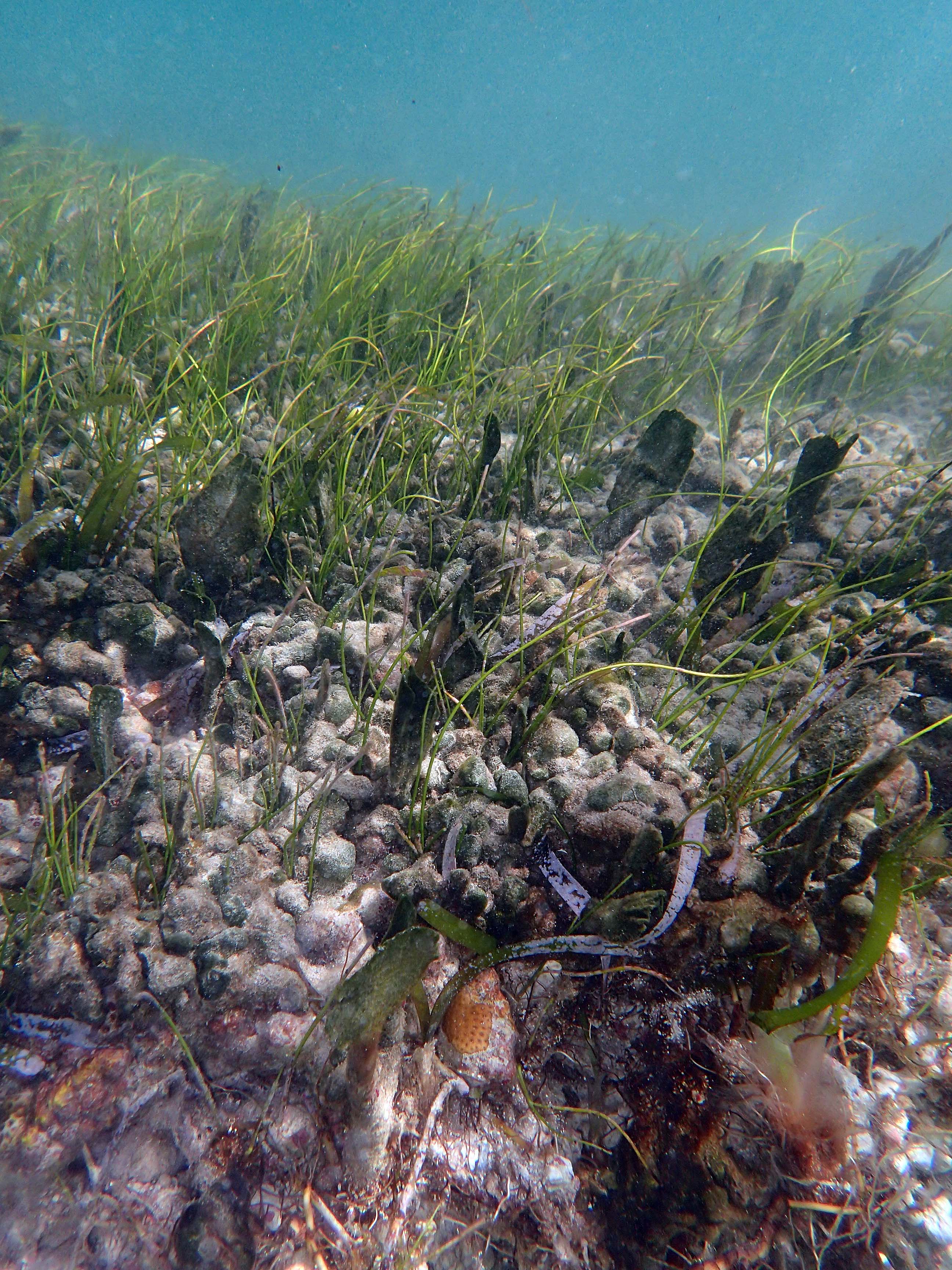 Stn D (07) |
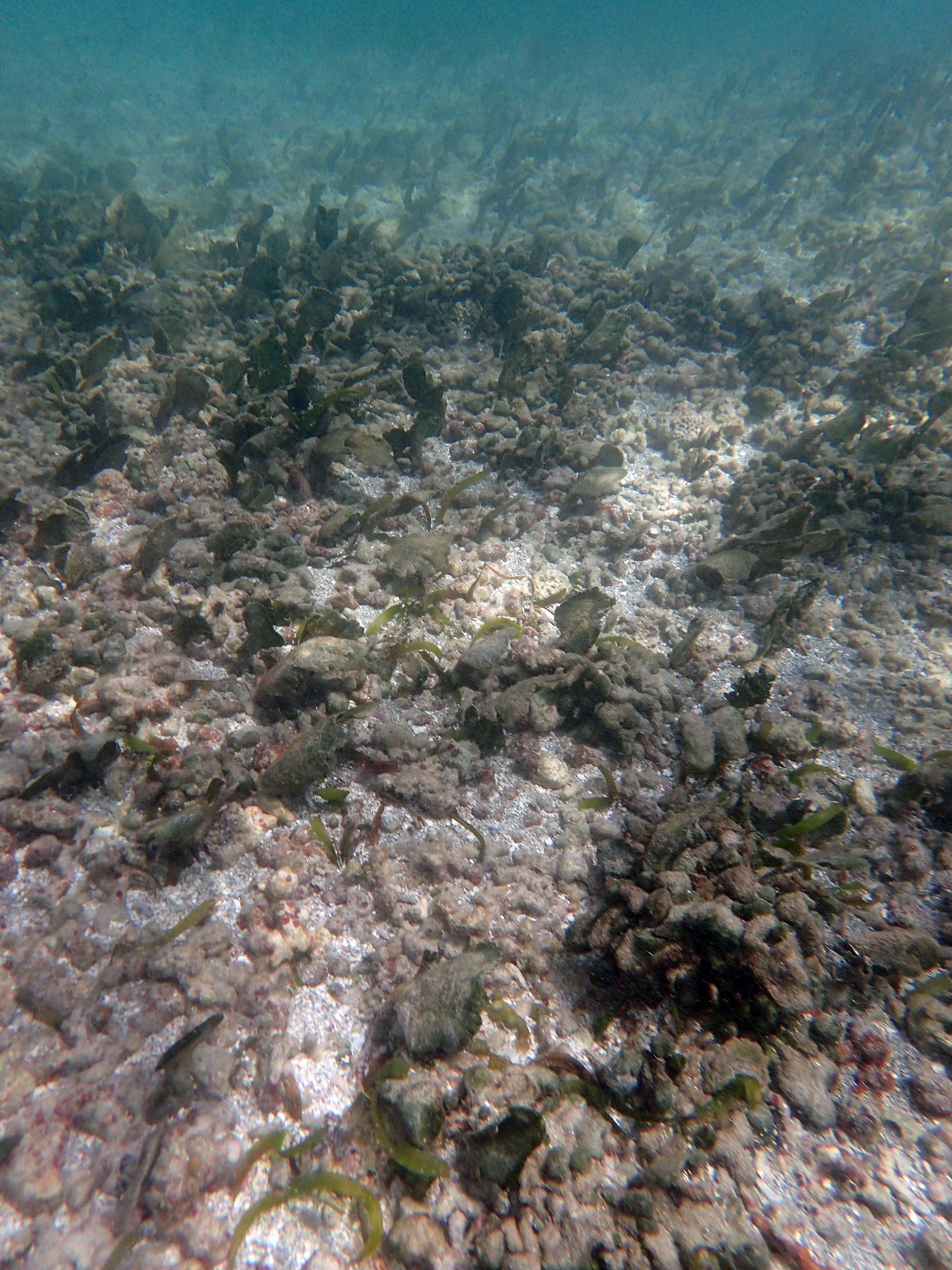 Stn D (07) |
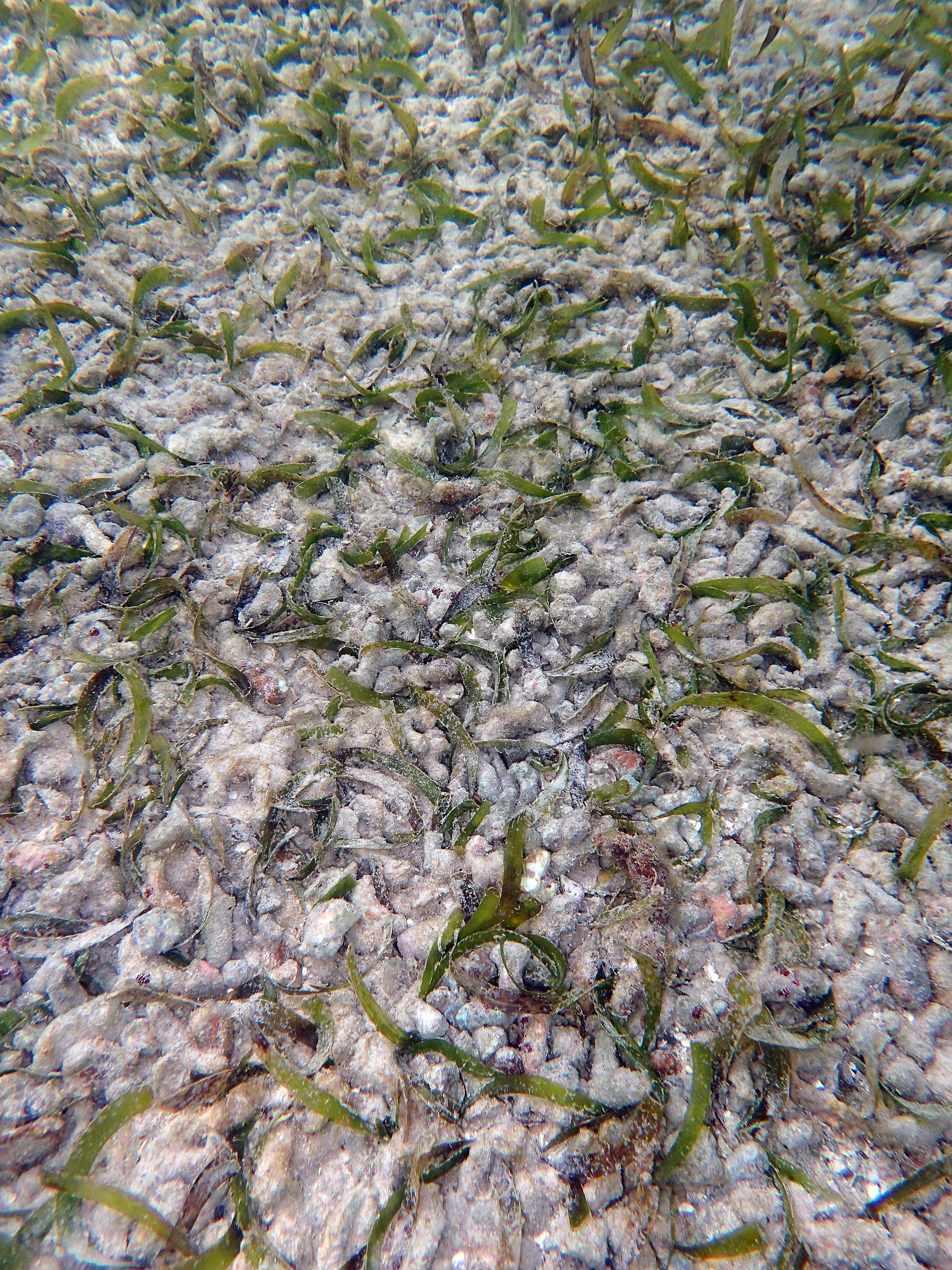 Stn D (07) |
 “Sod” from Stn D (07) illustrates high degree of stabilization/binding of constituents. |
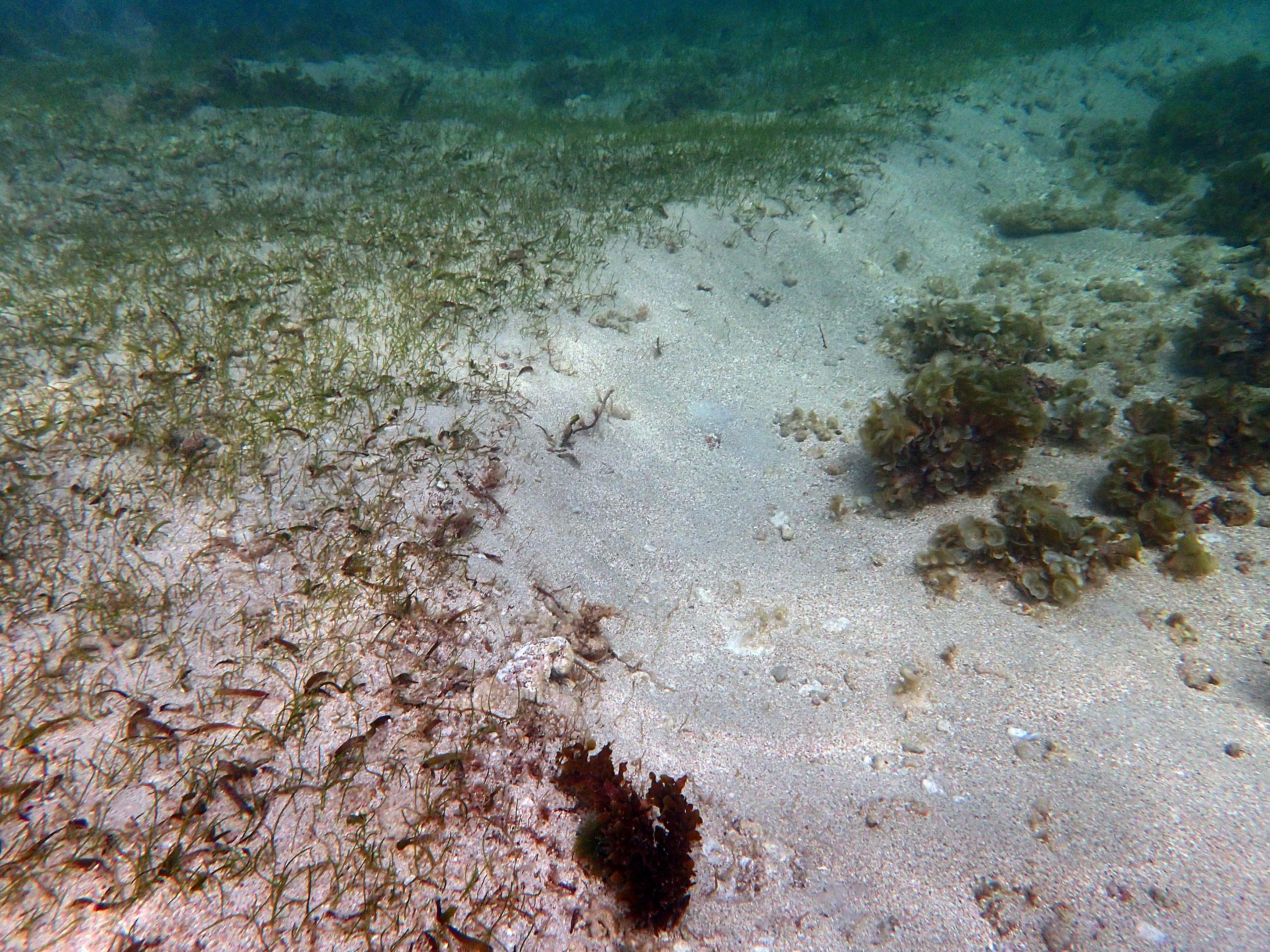
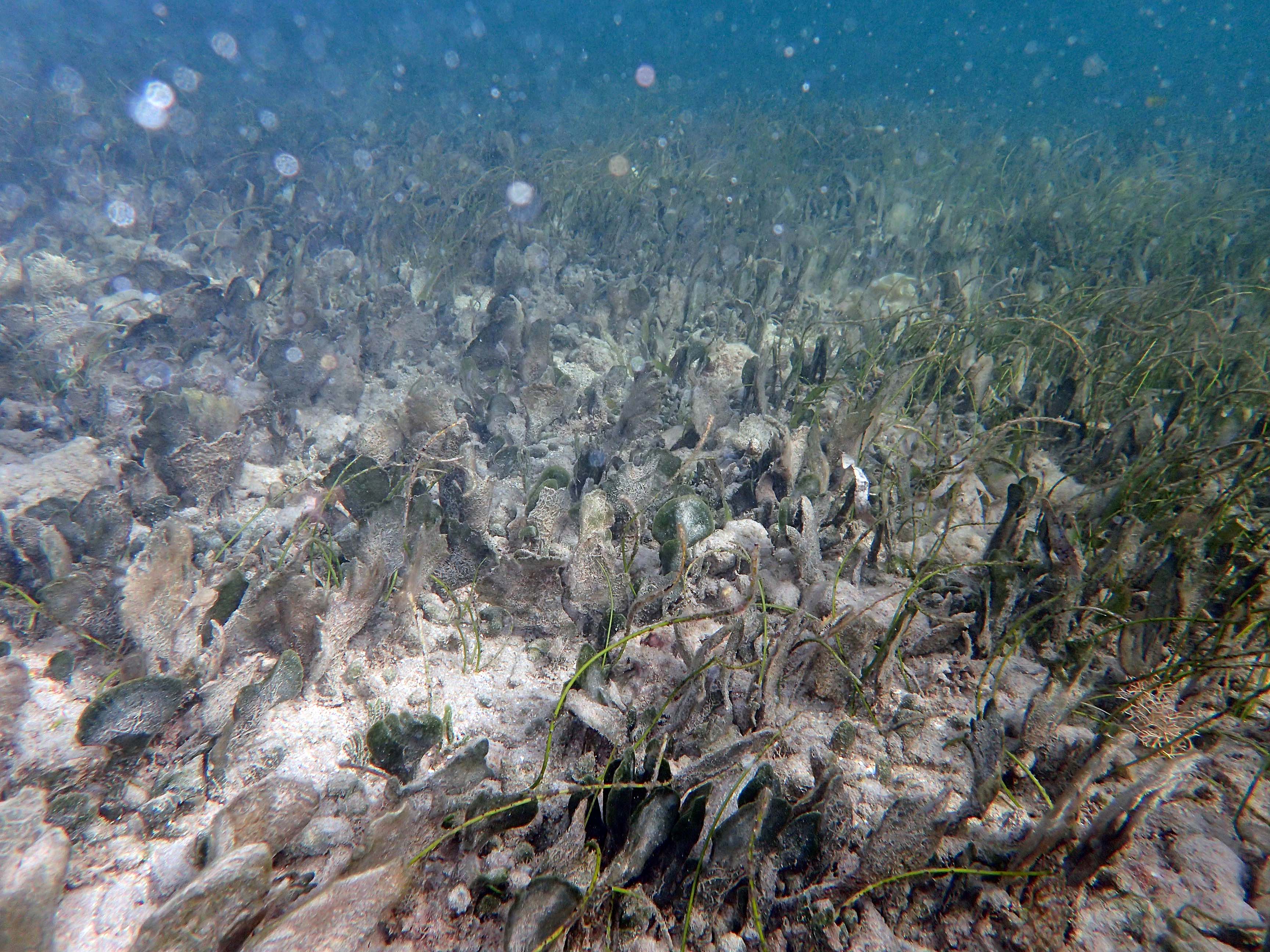 Stn F (06) |
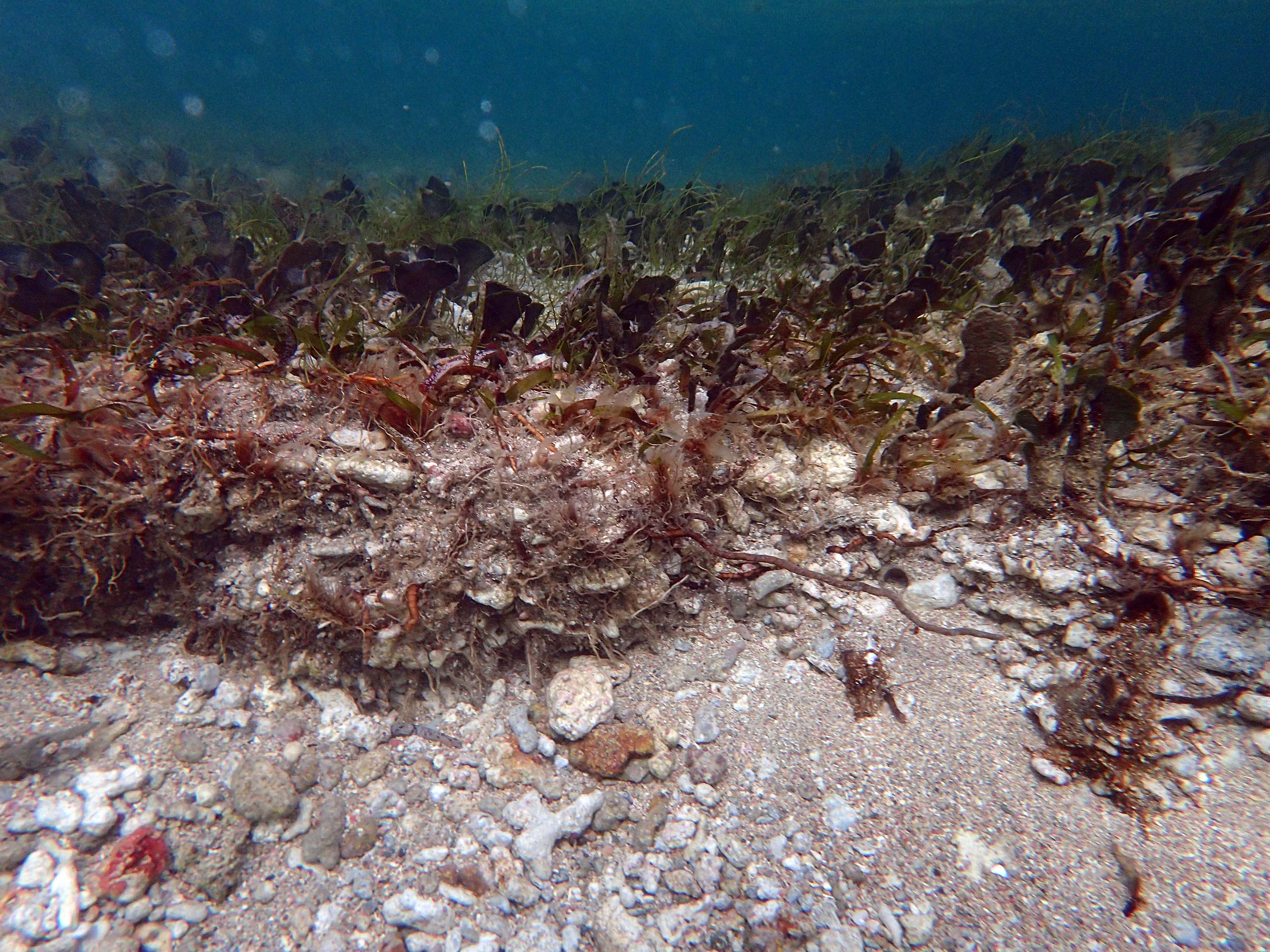
 Stn F (06) |
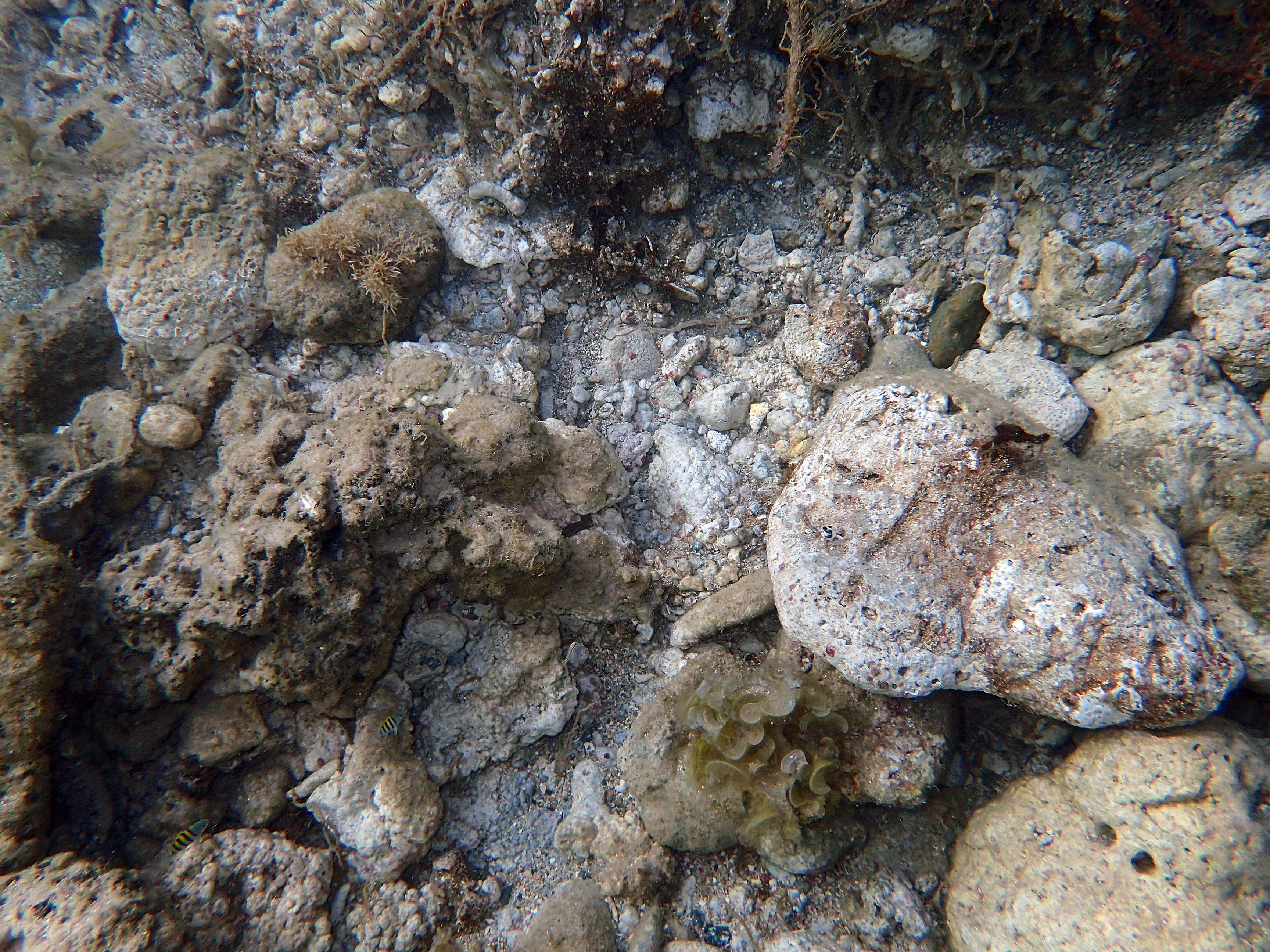
 Stn F (06) |
 Stn F (06) |
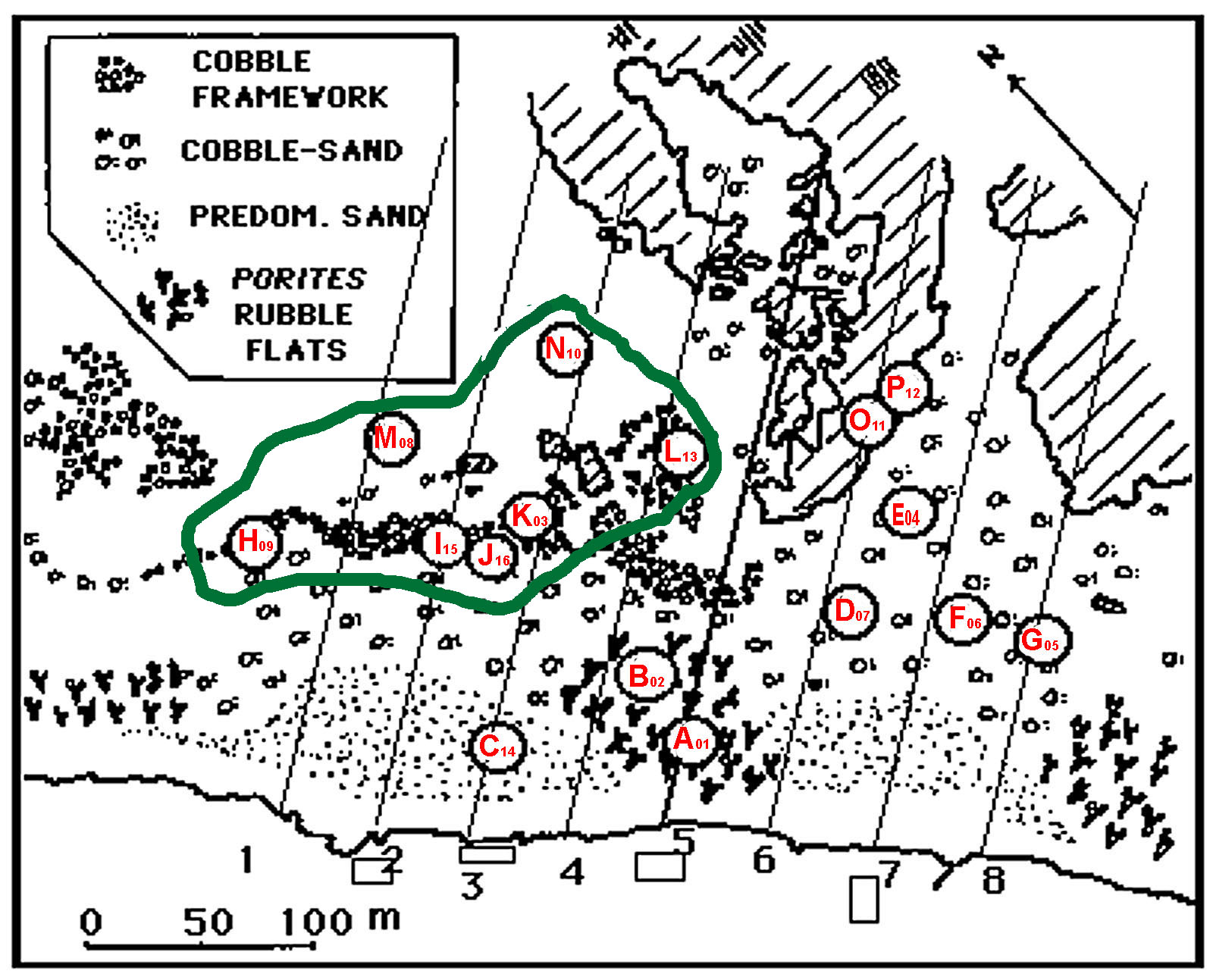
Locations of Stations H to N
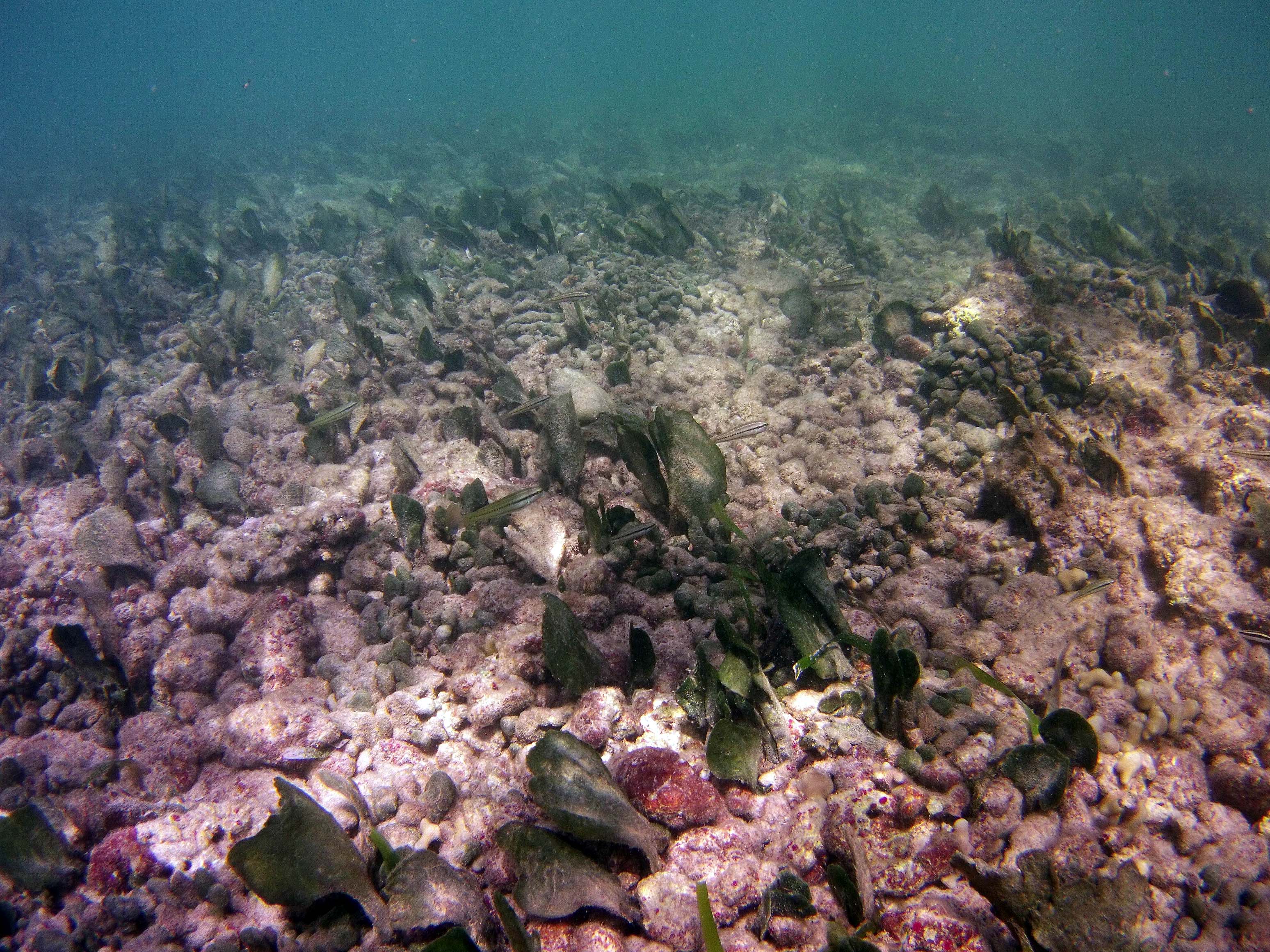 Stn H (09) |
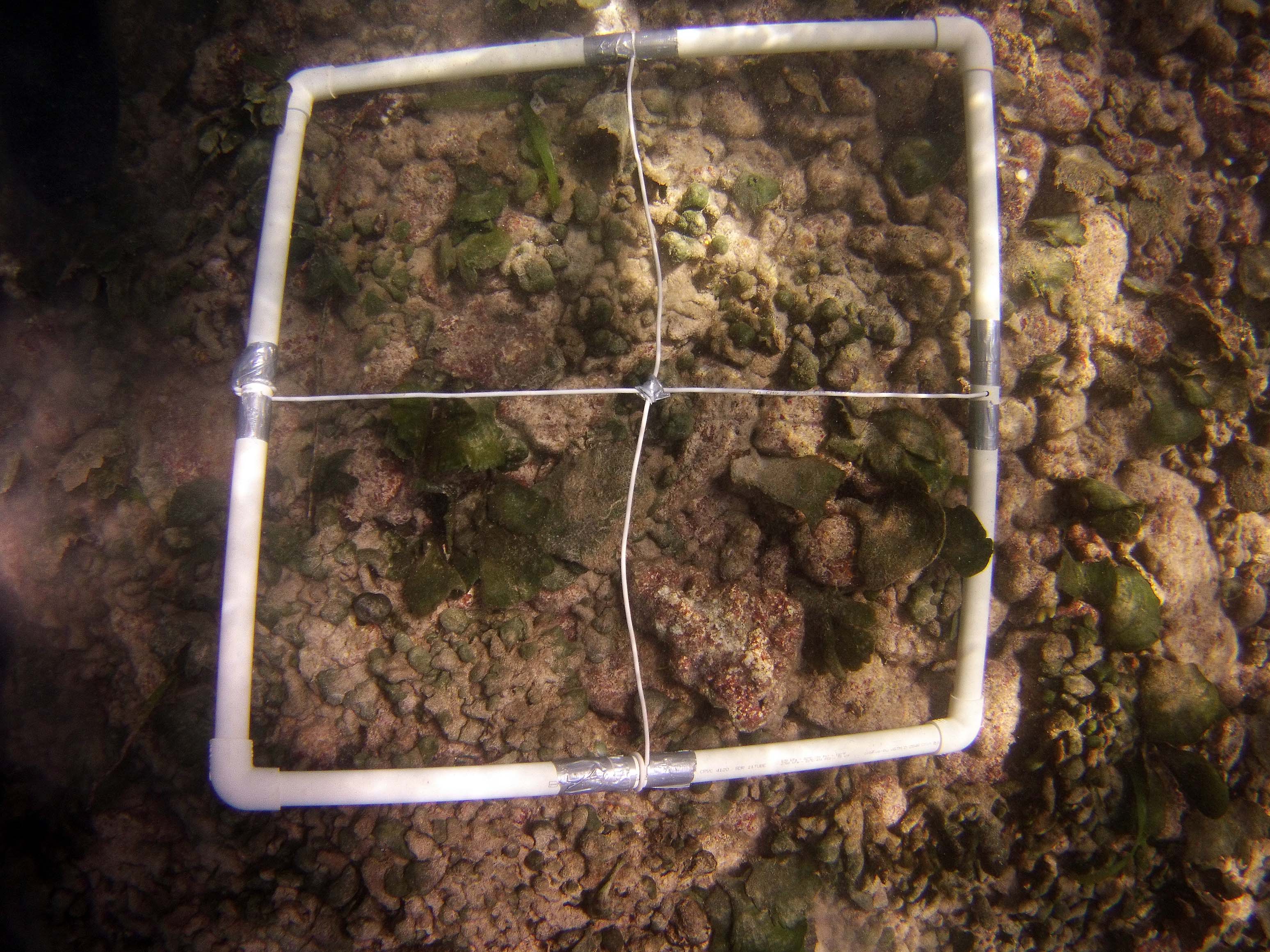 Stn H (09) |
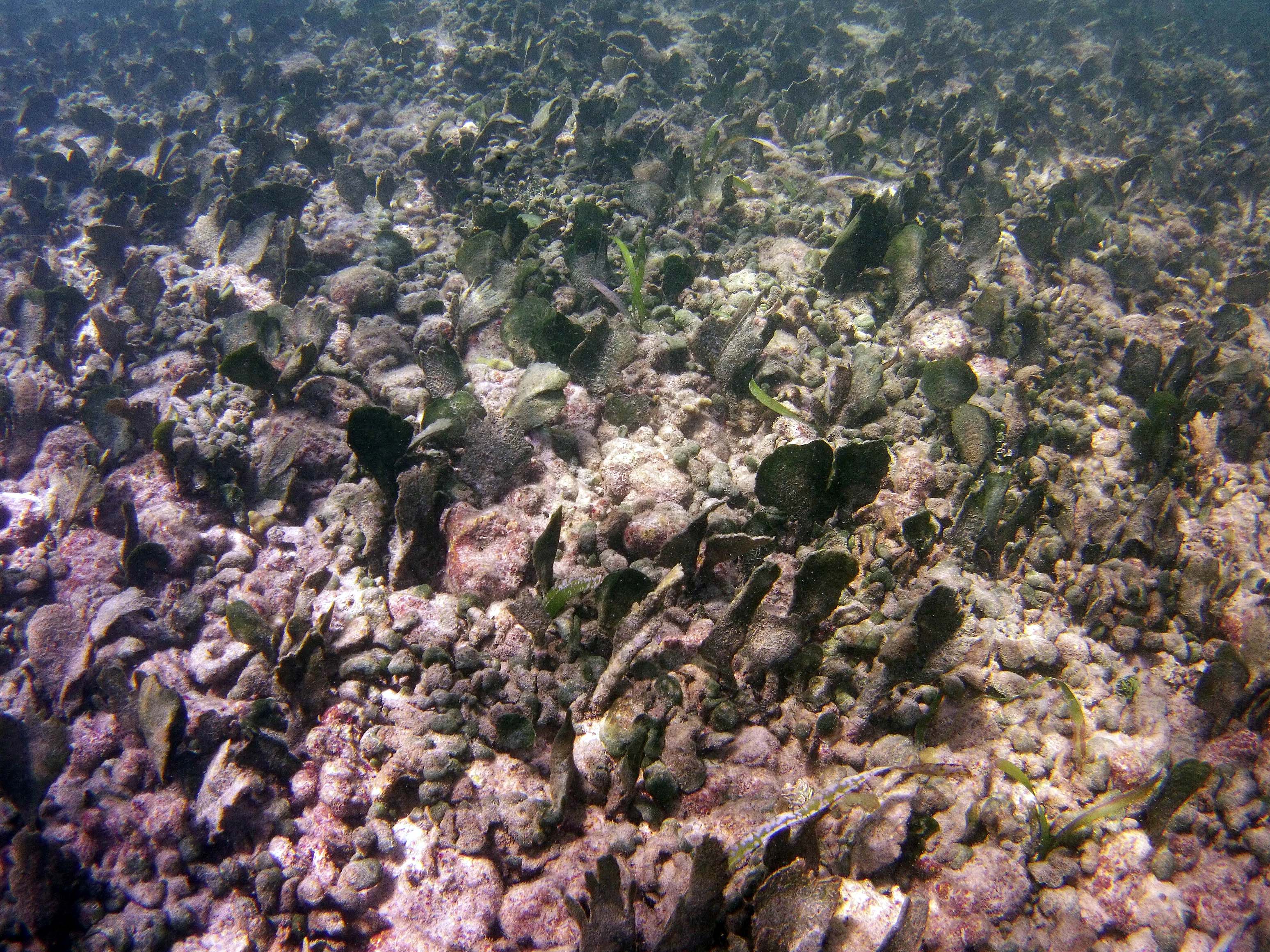
Stn H (09)
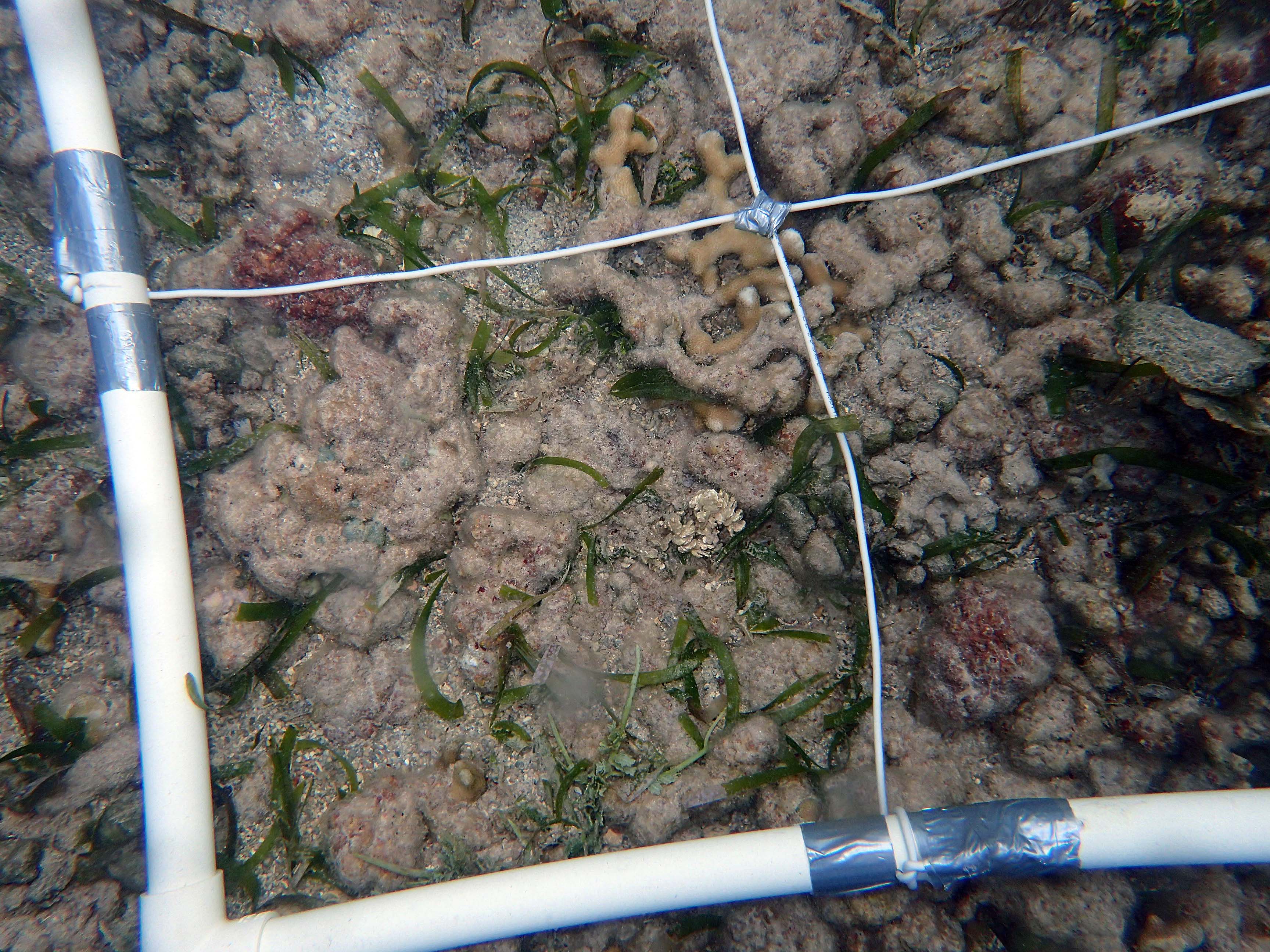 Stn I (15) |
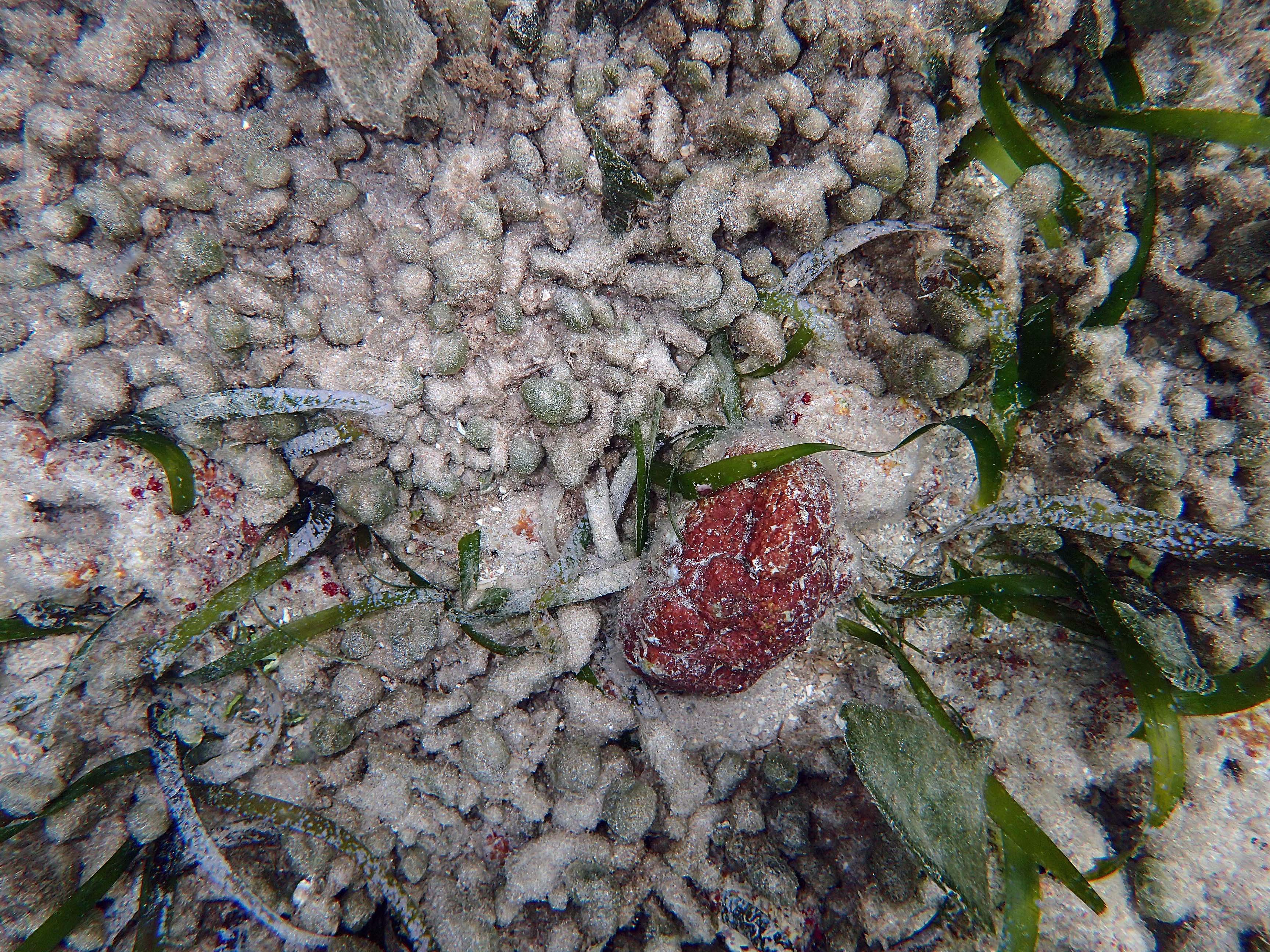 Stn I (15) |
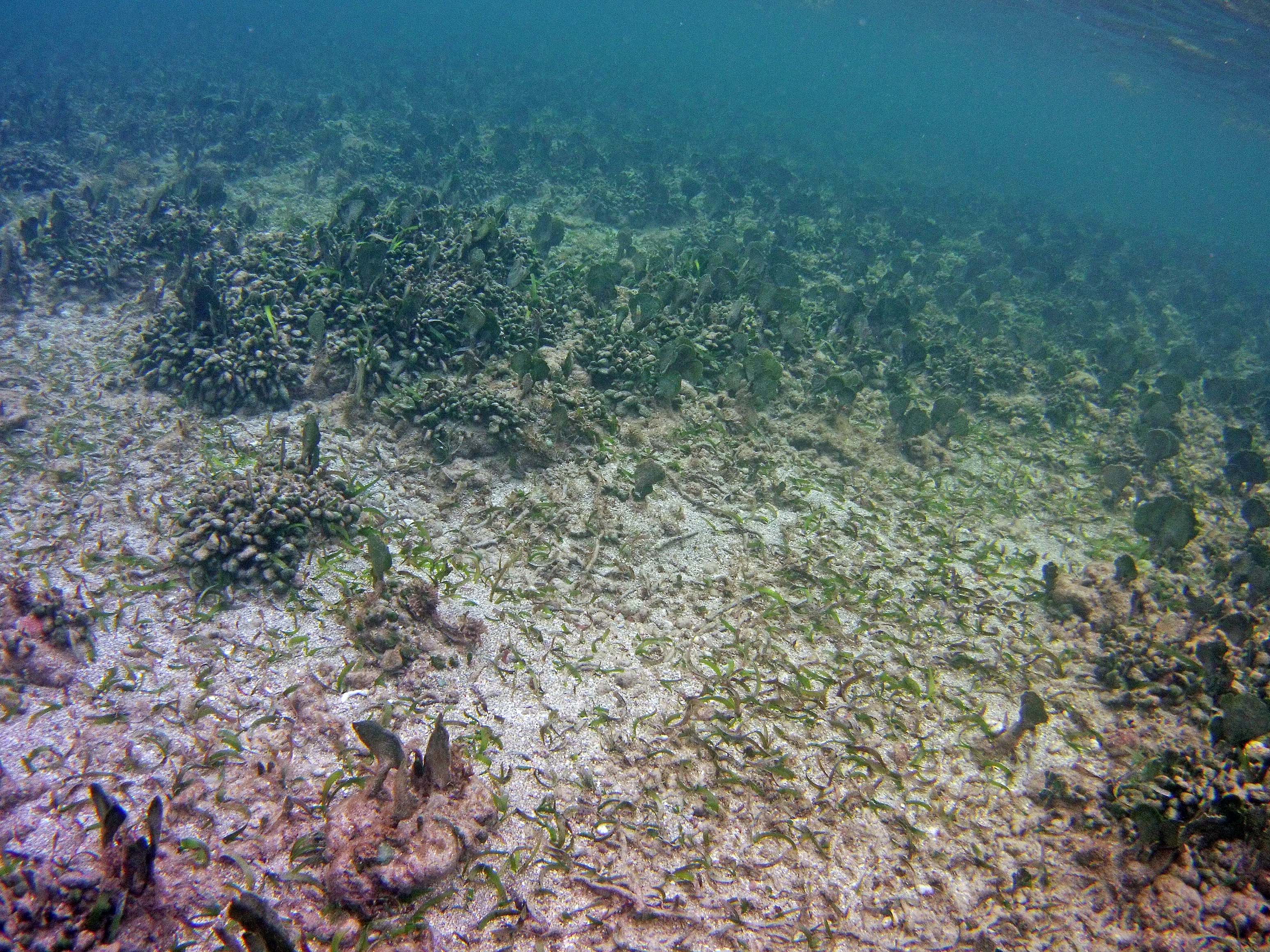 Stn J. (16) Note exposure of T. testudinum rhizomes (foreground to the right). |
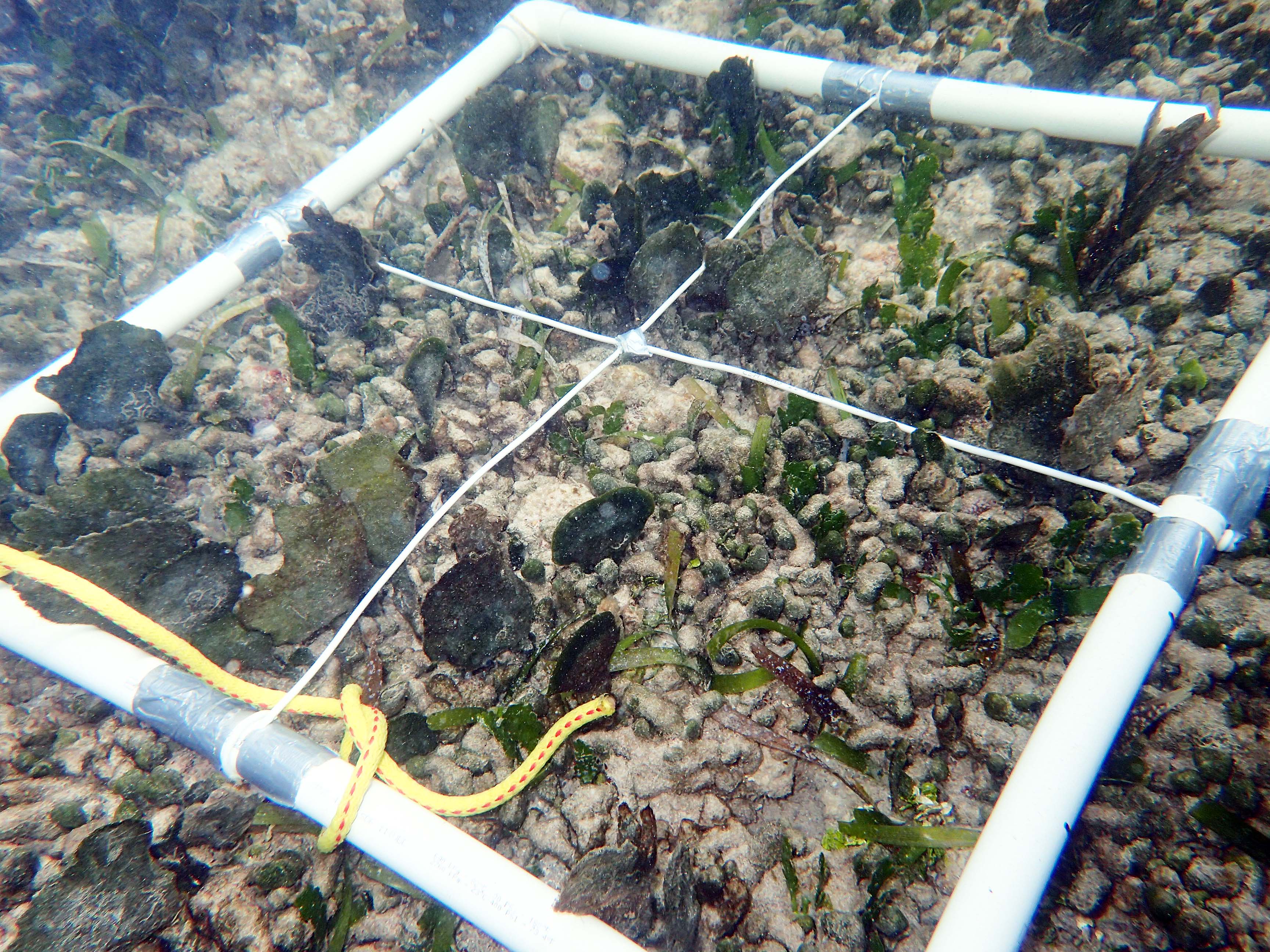 Stn J (16) |
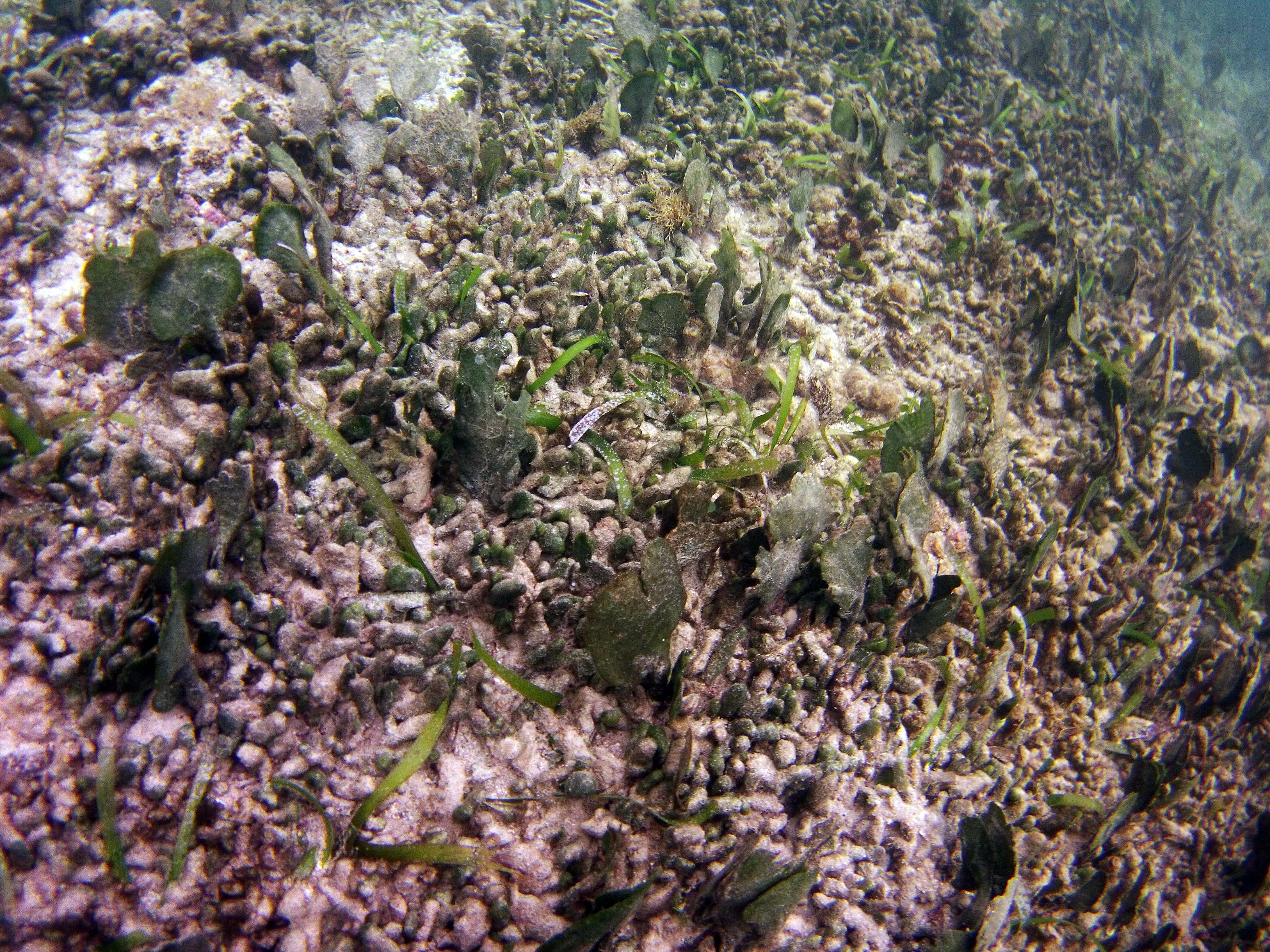
Stn J (16)
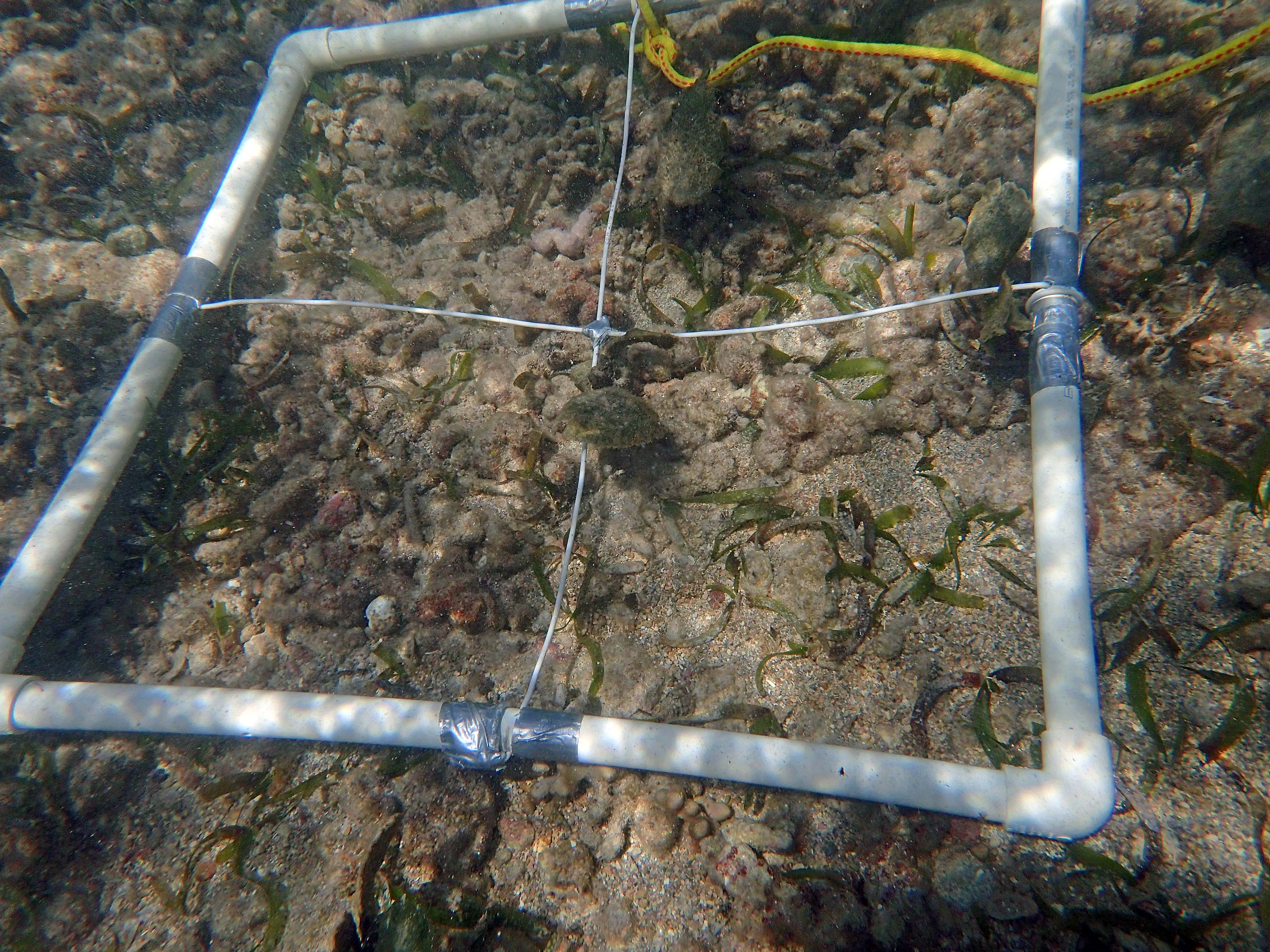 Stn K (03) |
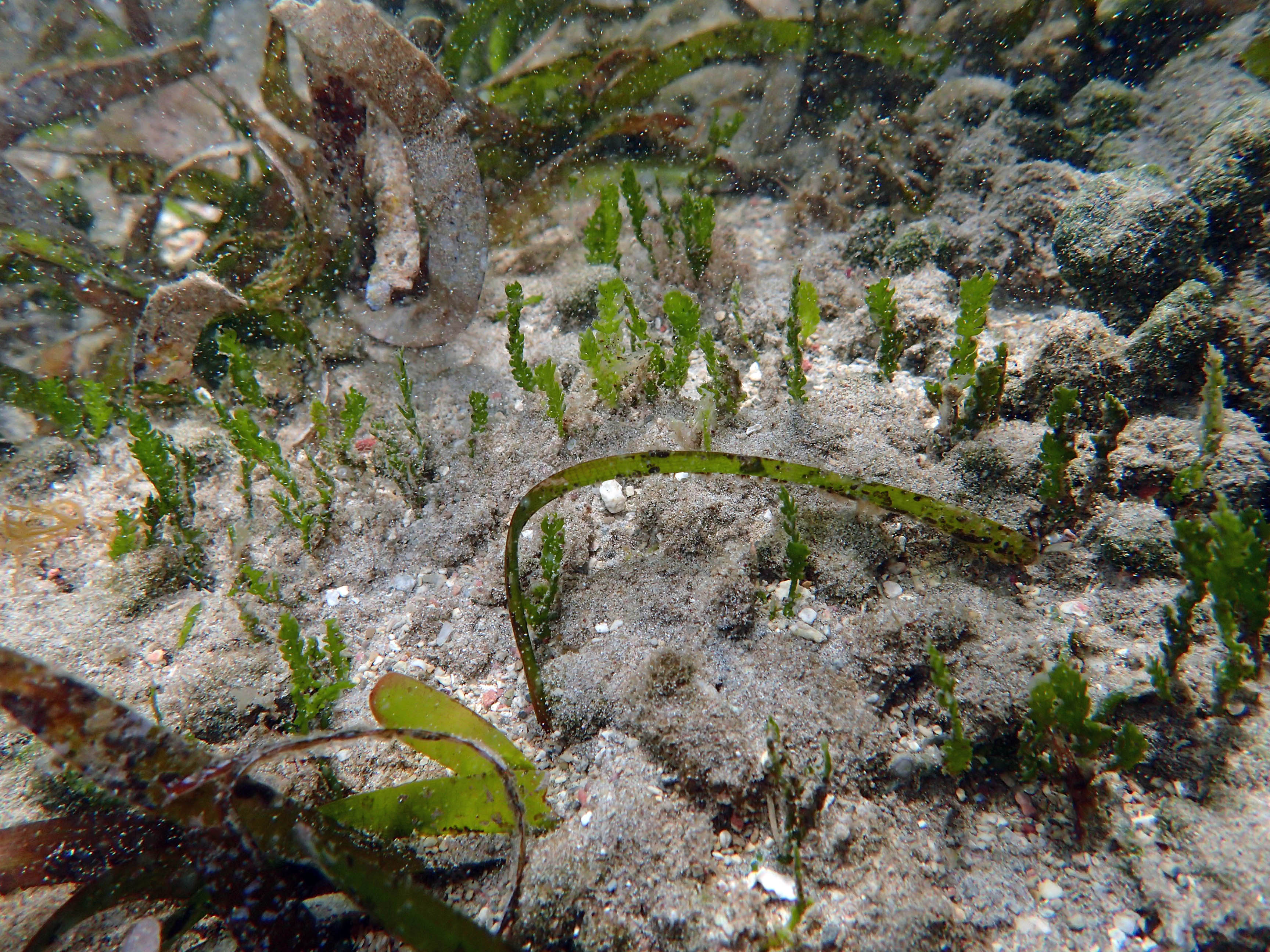 Stn K (03) |
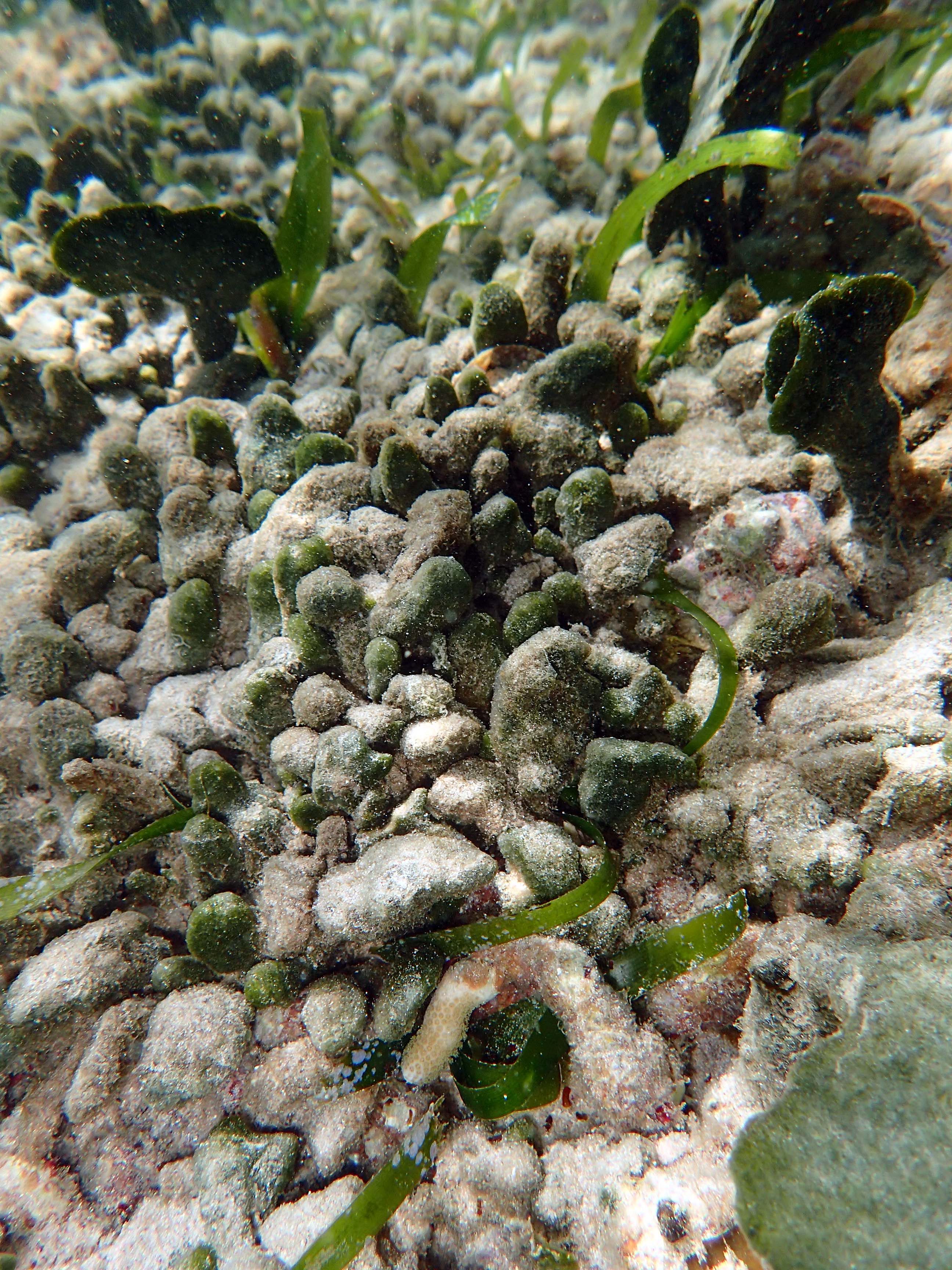
Stn K (03)
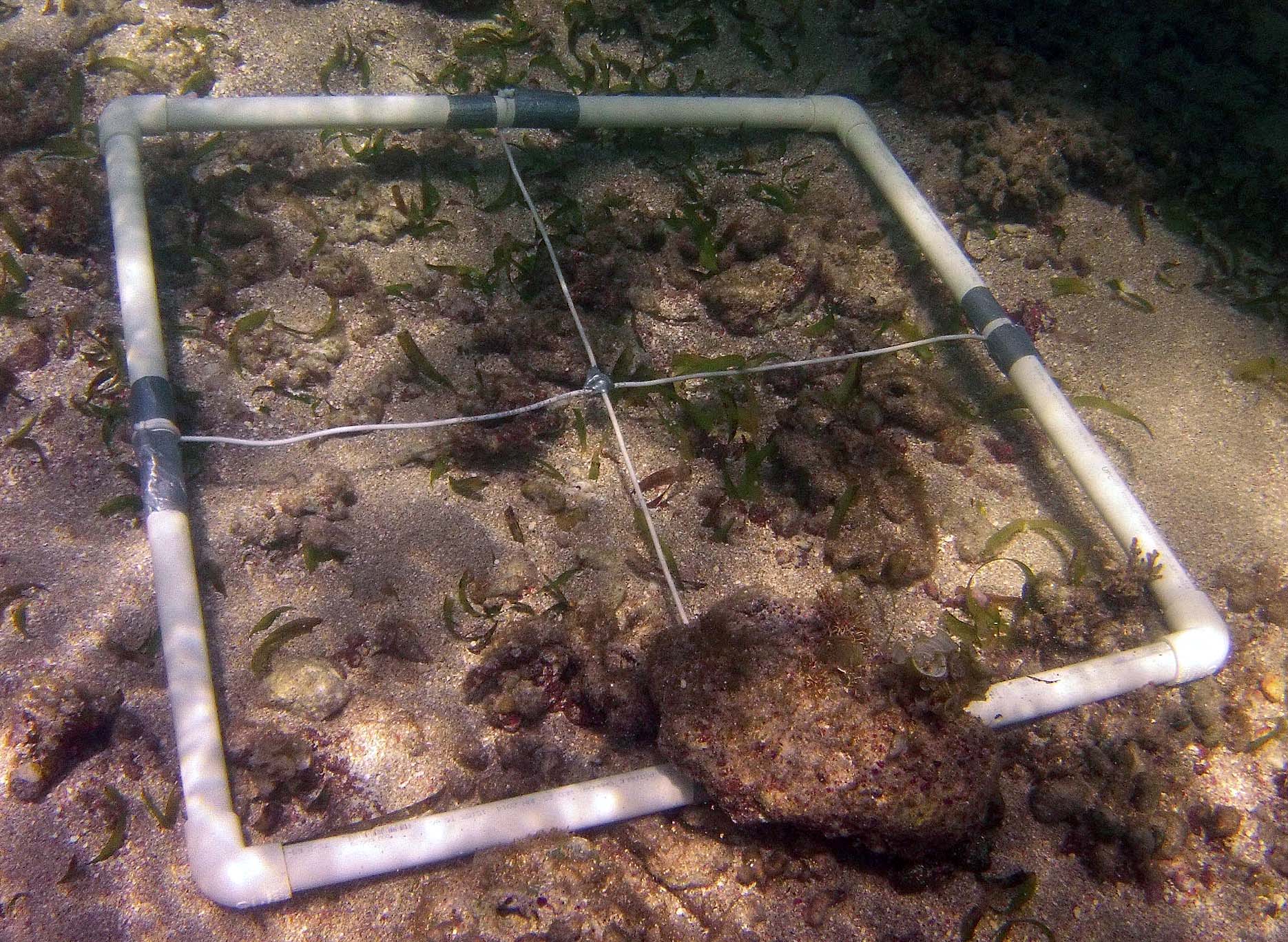 Stn L (13) |
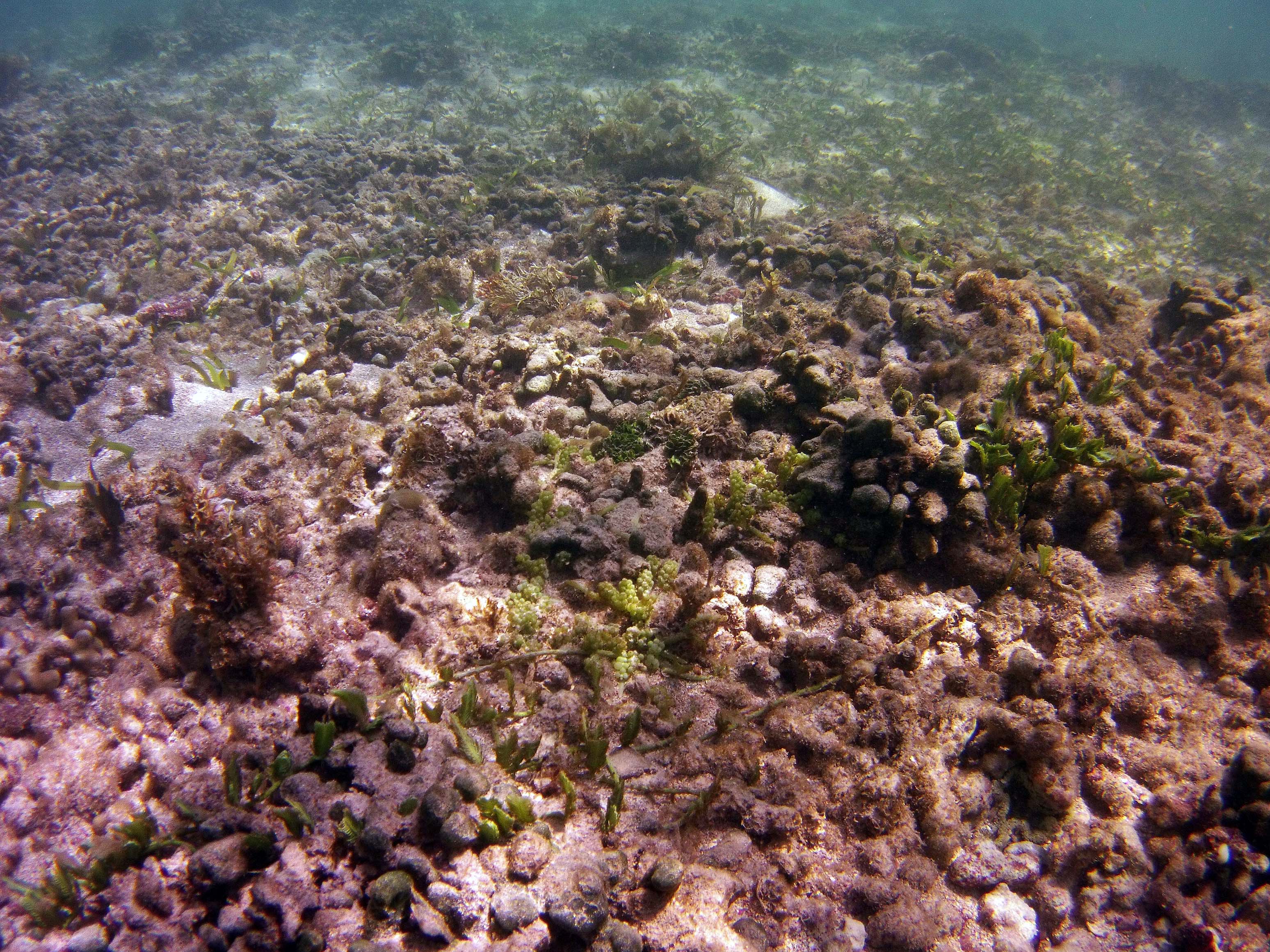 Stn L (13) |
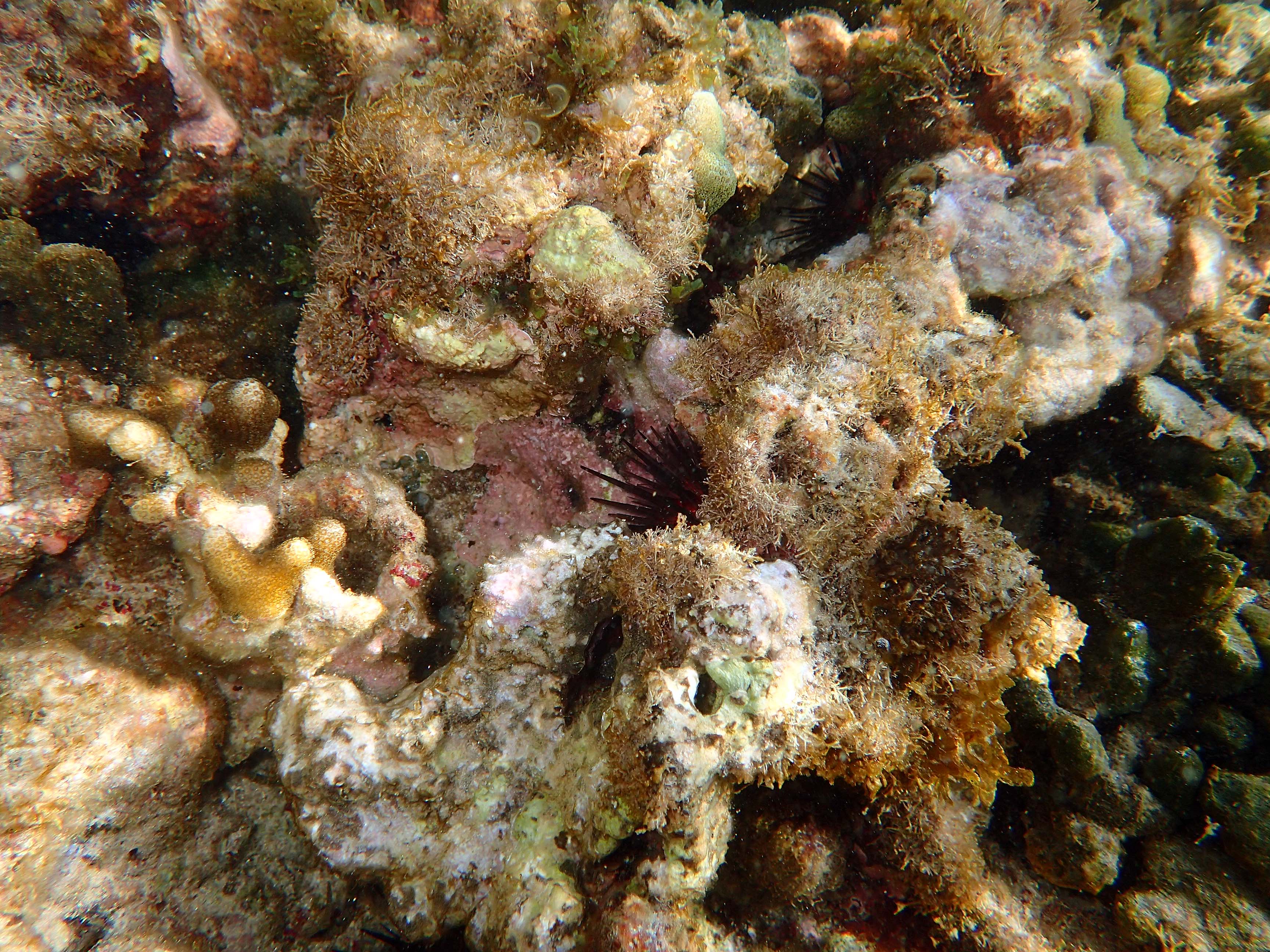 Stn M (08) Hard (cemented) substrate |
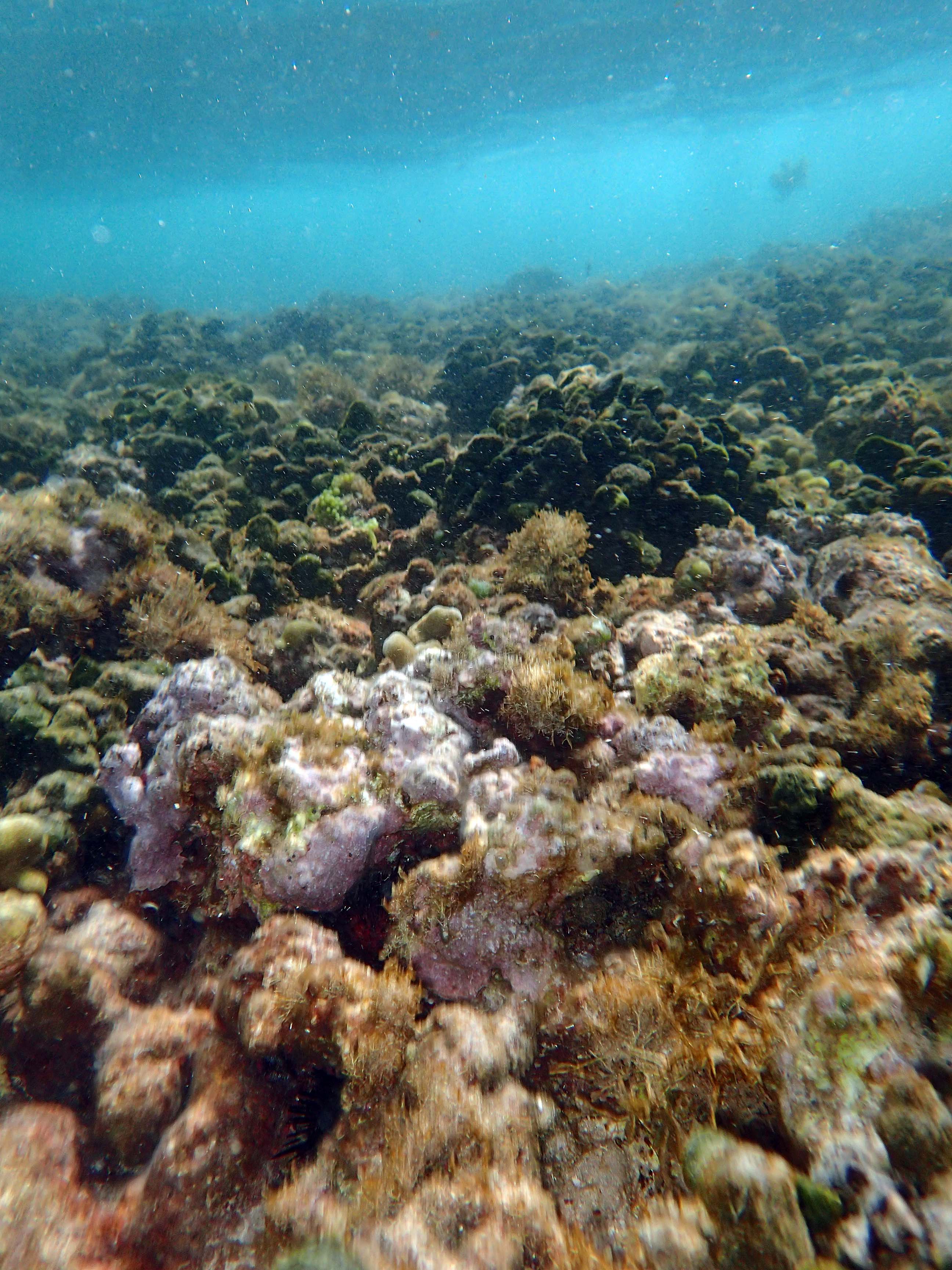 Stn M (08) |
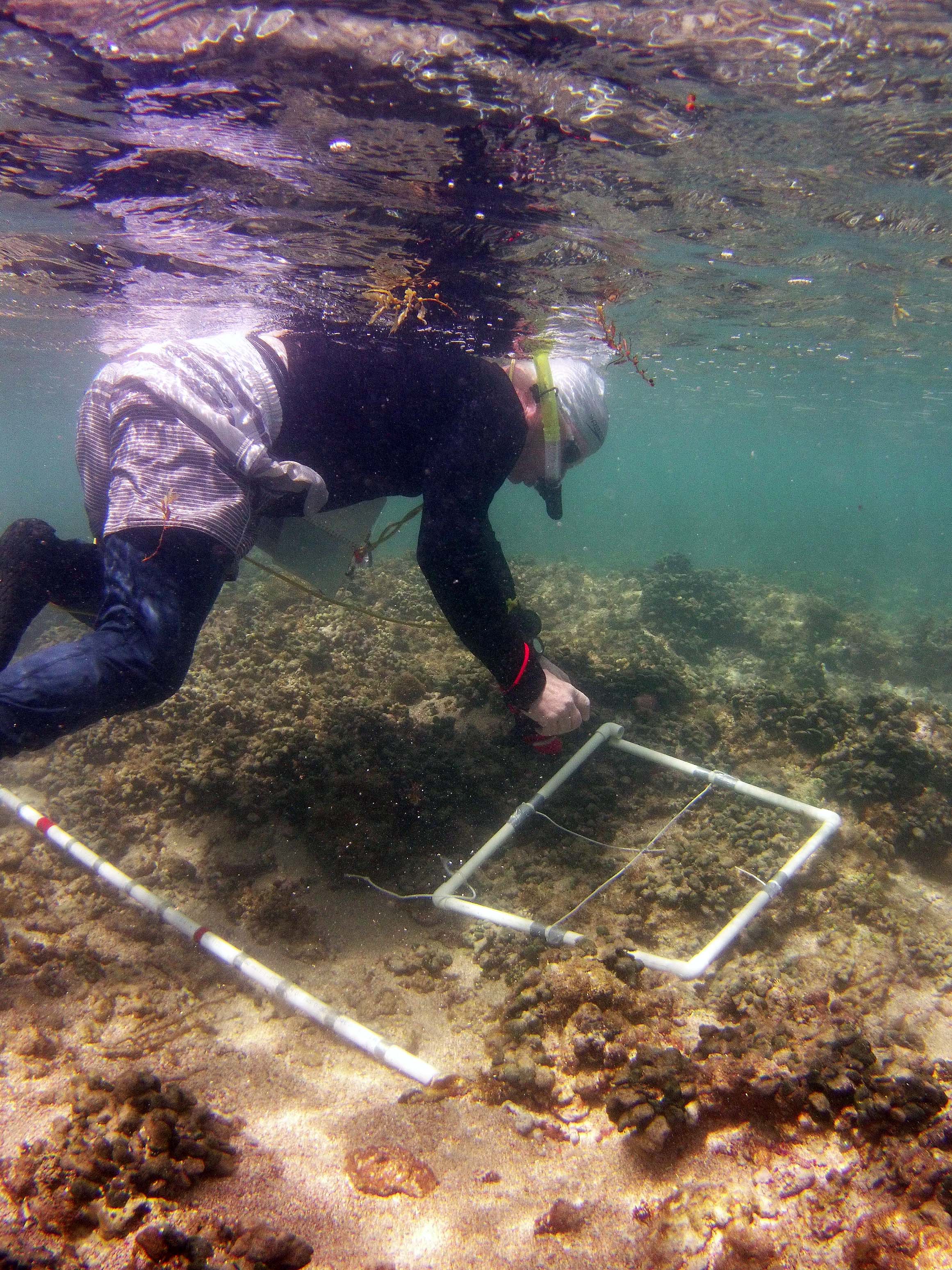 Stn N (10) |
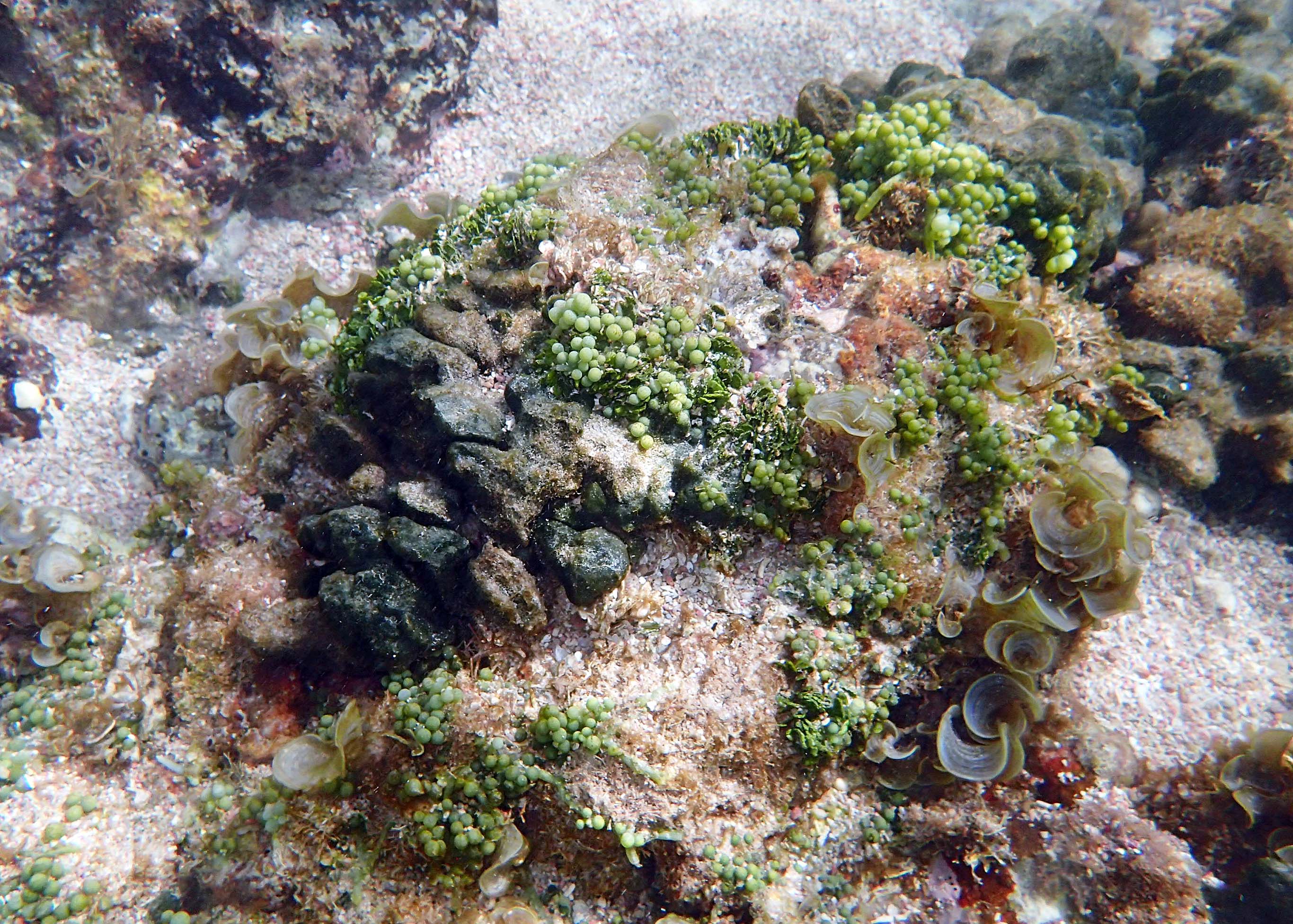 Stn N (10) Caulerpa racemosa, Avrainvillea rawsonii, Padina sp., Halimeda opuntia |
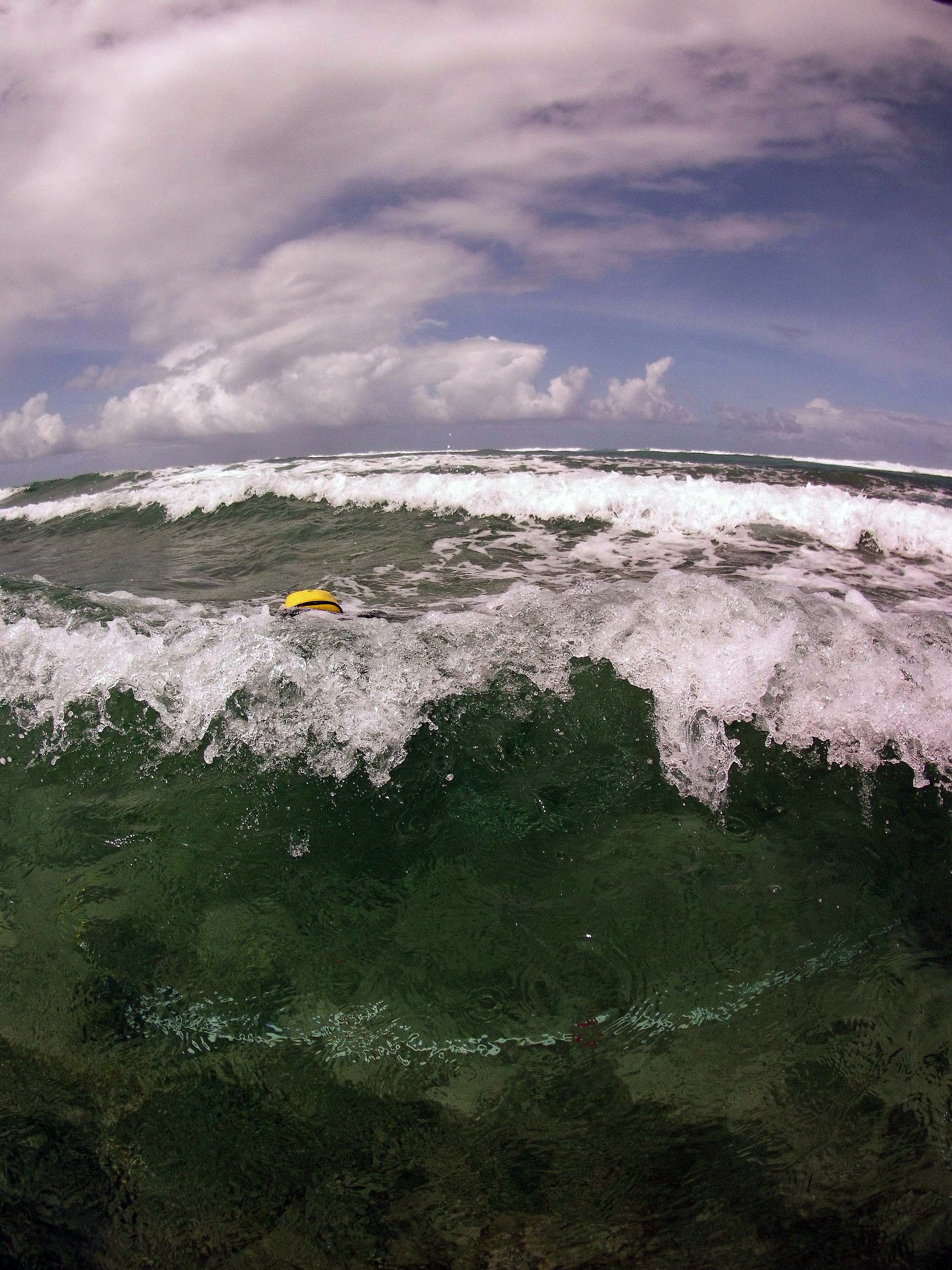
Stn N (10)
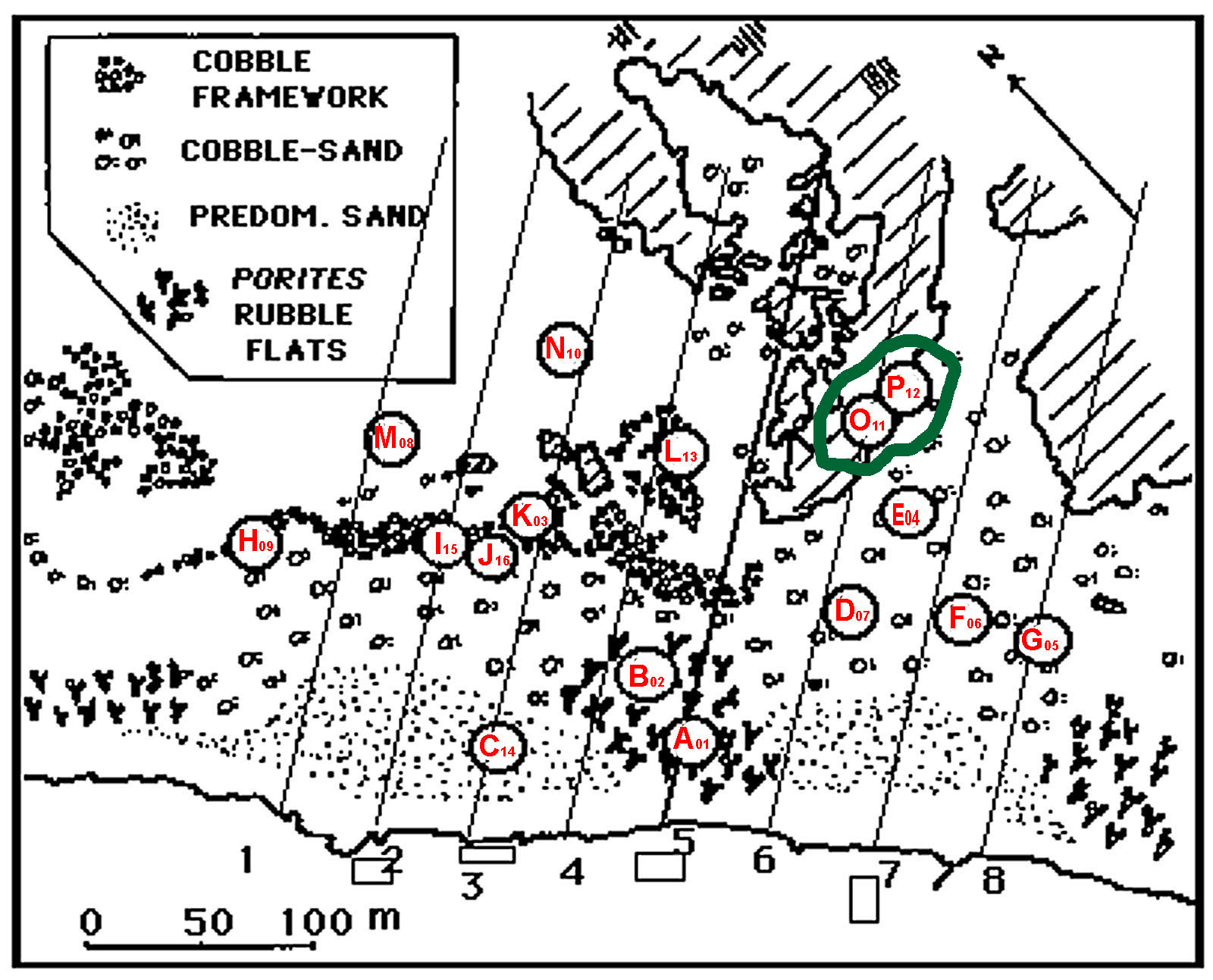
Locations of Stns O, P.
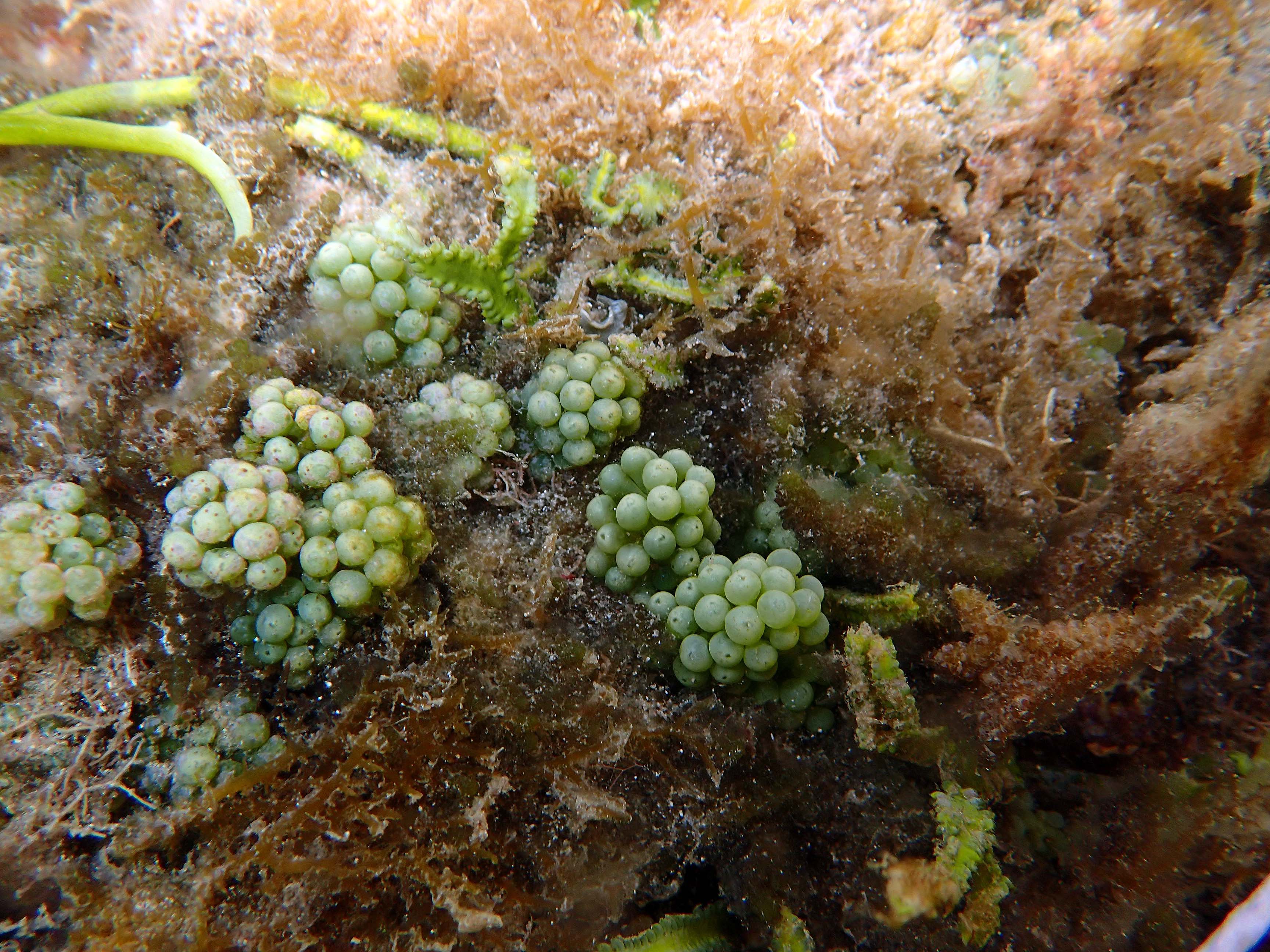 Stn O (11) |
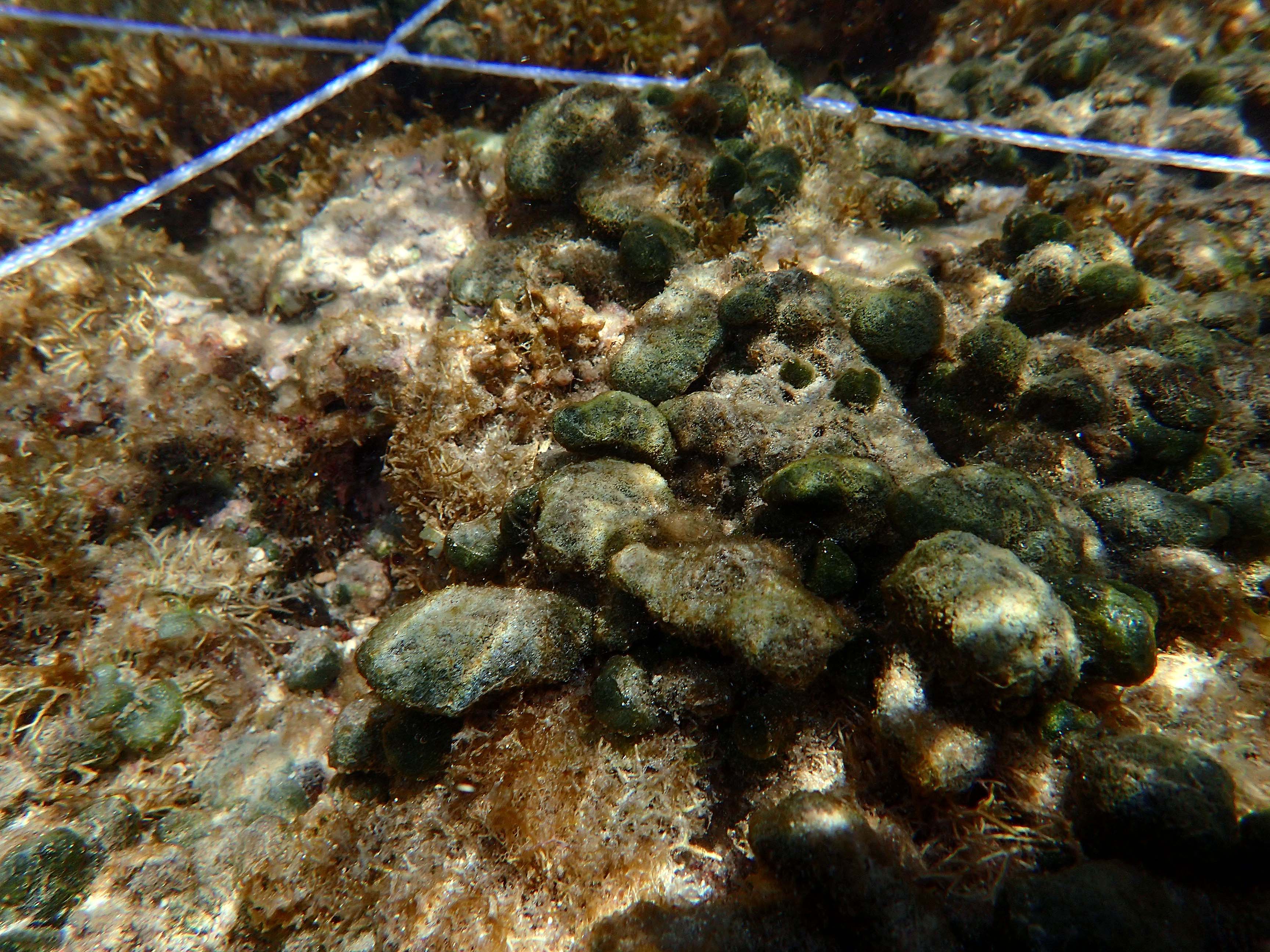 Stn O (11) |
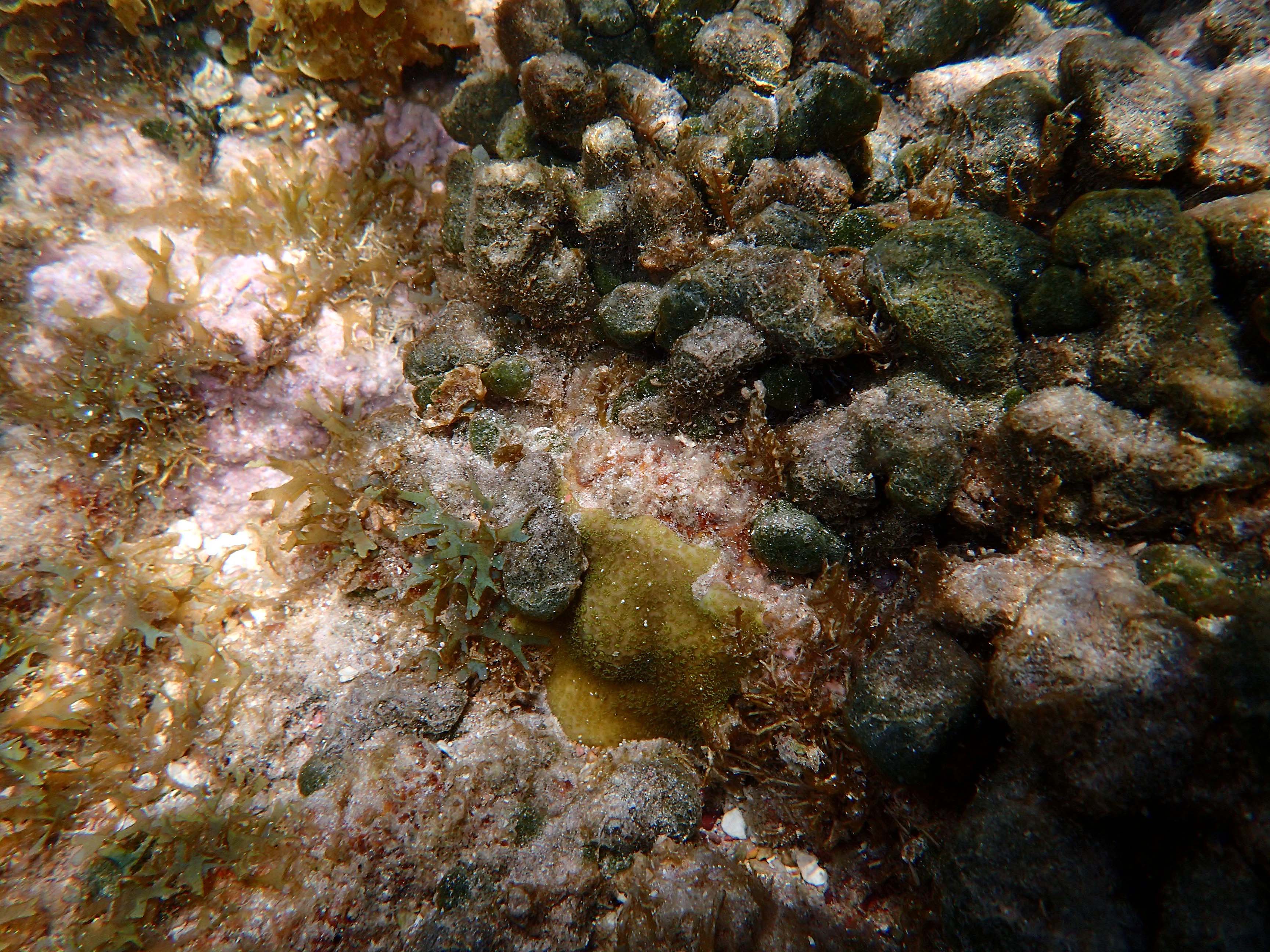 Stn P (12) “Cemented Rubble” (Field Notes) |
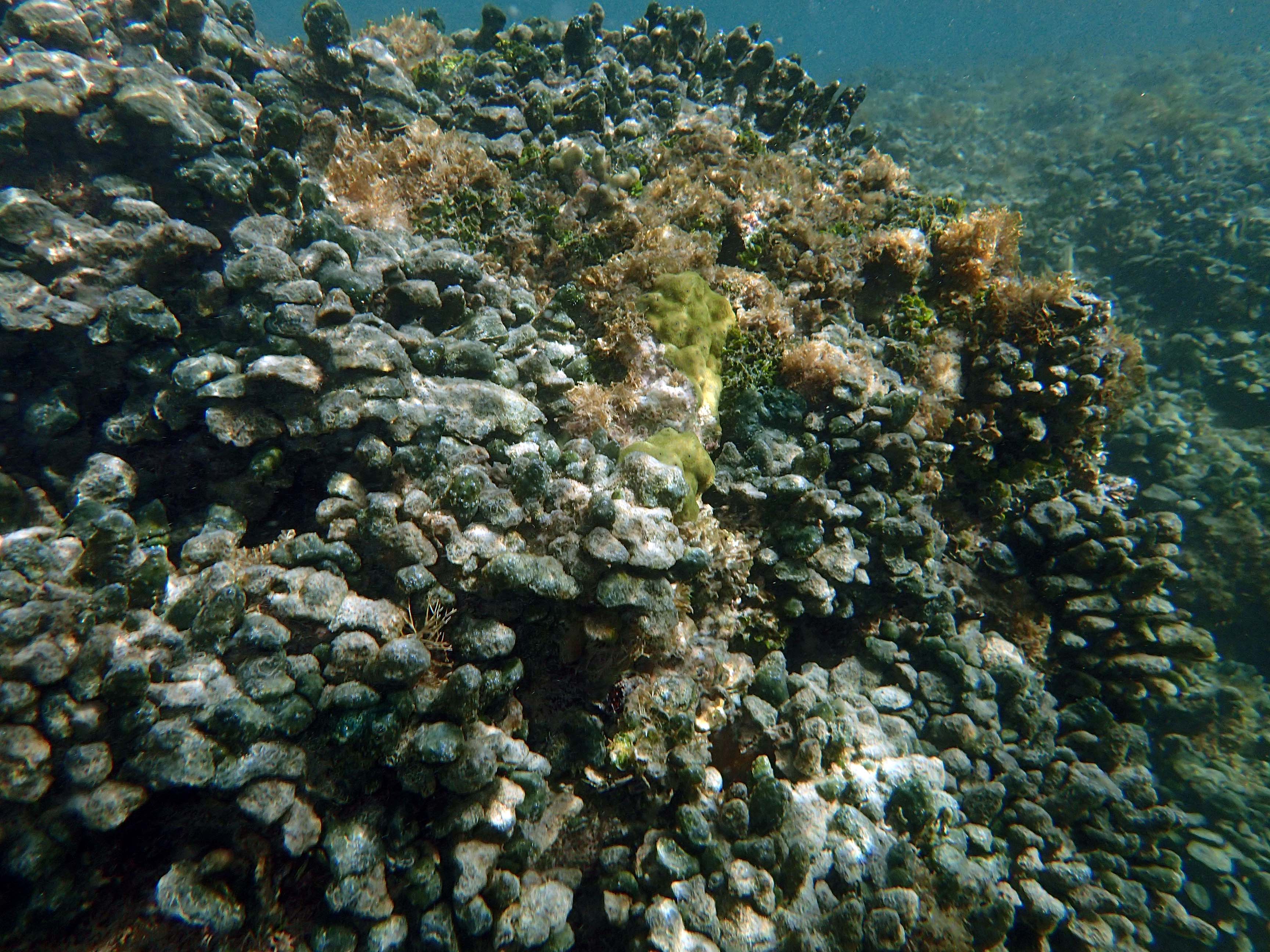 Stn P (12) “Cemented Rubble” (Field Notes) |