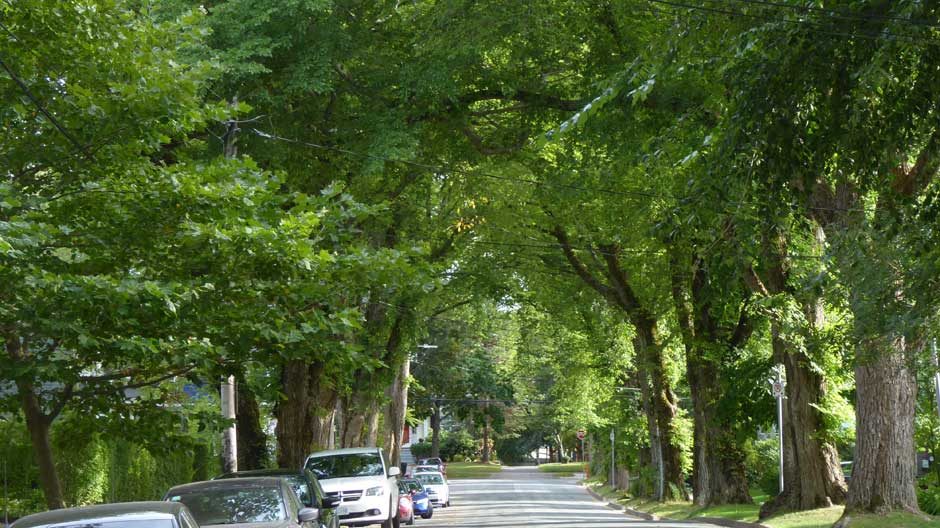
The red maples were a match for the Japanese maples in Halifax on Oct 30, 2018
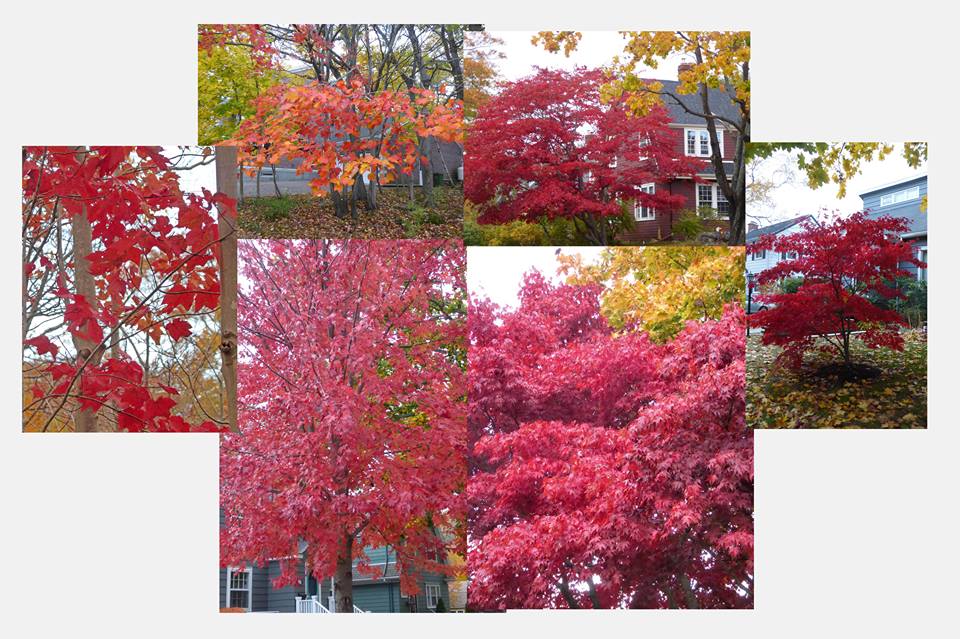
Red maples left, Japanese maples right, Halifax, Oct 30, 2018
Continue reading
The red maples were a match for the Japanese maples in Halifax on Oct 30, 2018
Red maples left, Japanese maples right, Halifax, Oct 30, 2018
 In “Let’s stop being such environmental dunces” (Chronicle Herald, Oct 2, 2018), columnist Ralph Surette cited bottled water and our use of lawn chemicals as prime examples of “low-hanging toxic fruit that is environmentally, economically and logically idiotic — and that must be picked if we are going to make sense of anything.”
Continue reading
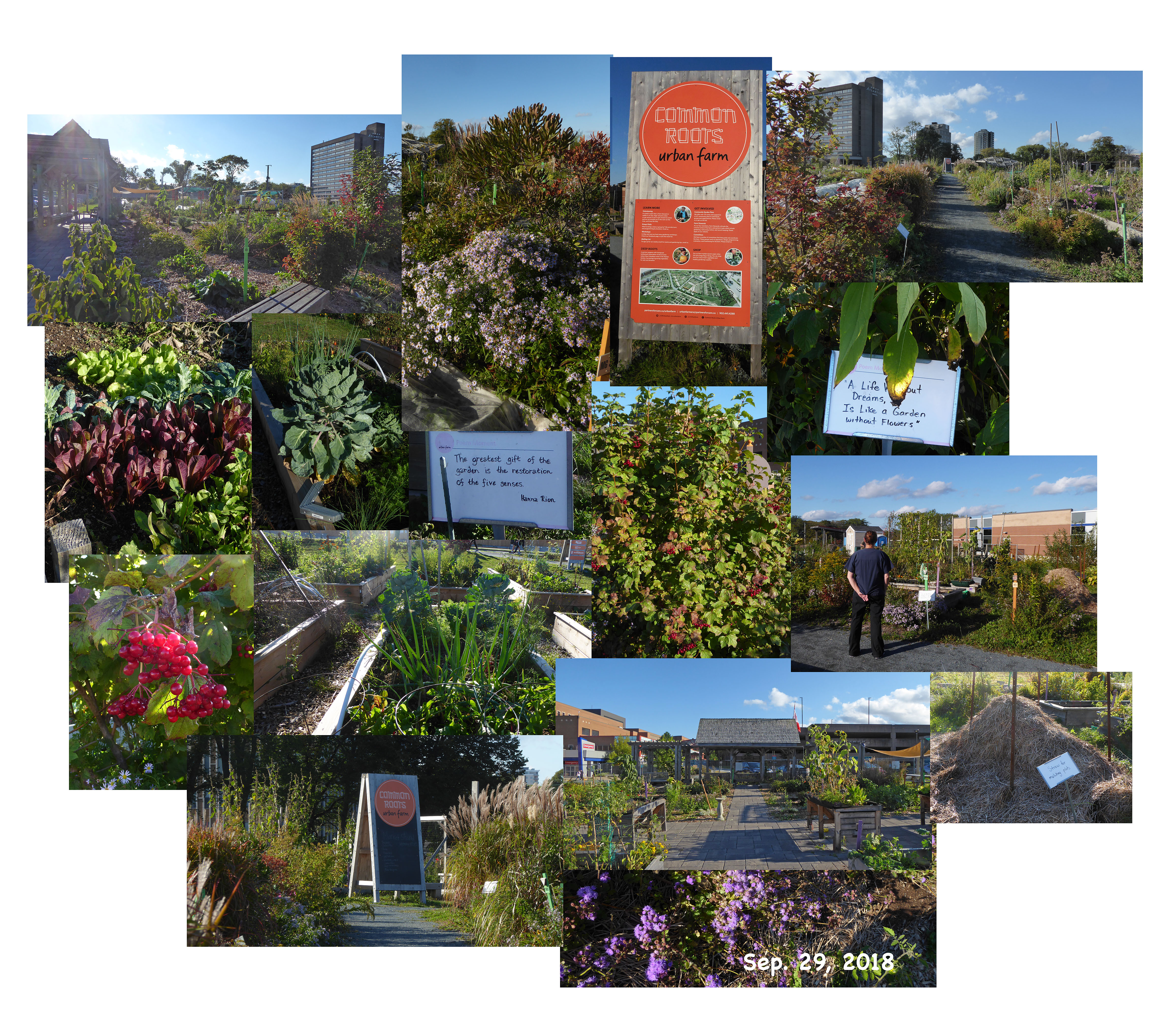
Common Roots Urban Farm in Halifax on Sep 29, 2018
(Click on image for larger version)
It’s been a wonderful community resource and taught us all a lot, individually and as a community. Kudos to Jamie Melrose & Co.
Continue reading

Steep banks (above) are difficult to maintain in grass and can be hazardous to mow. One simple alternative we viewed on our walk: hostas (below). They are robust, requiring little care once established, and hold the soil together well; with time they will make an attractive full cover of the bank.
Then we put together a short video from some of footage on the theme of alternatives to intensive lawncare.
We’re learning!
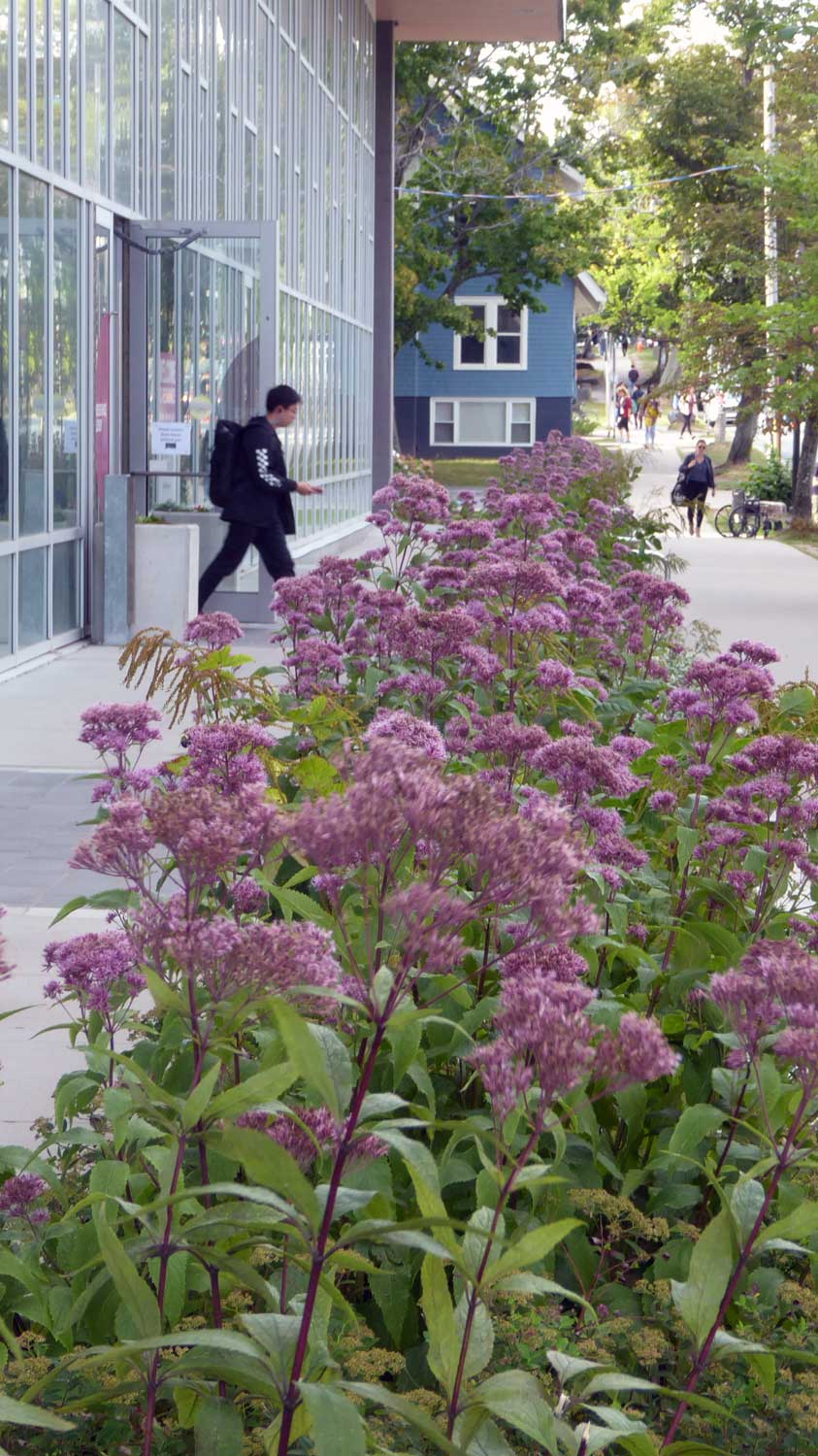
Joe-Pye weed in full bloom in a sidewalk setting in Halifax, Sep 10, 2018. The species is native to NS, “forming colonies along streams, banks, meadows and swamps” – Source: Nova Scotia Plants)
This website is being developed by two Nova Scotians, one an economist and the other an ecologist, to highlight examples of urban landscapes that we see as ecologically desirable or at least pointed in that direction.
Initially those examples will be somewhat Halifax-centric, reflecting our own urban settings.
It’s very much a learning process for us. We are using the site to help us develop our concepts and to organize related information.
Hopefully at some point, this website/blog will be of interest to others. When we think it’s getting there, we will put our names “out there”. Regardless, it is not about us, but about sharing and promoting ways we can live more in harmony with the natural world.